


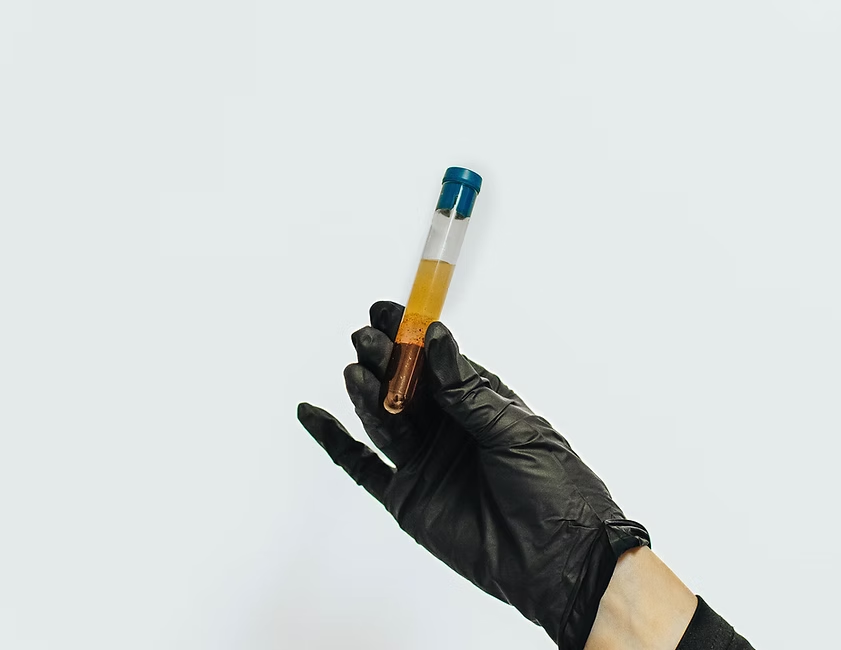
The regenerative aesthetics industry generates $890 million annually from platelet-based treatments, yet 71% of providers cannot explain why PRF (Platelet-Rich Fibrin) releases growth factors for 7-10 days while PRP (Platelet-Rich Plasma) exhausts within 24 hours, leading patients to receive suboptimal treatments based on provider familiarity rather than biological superiority. This analysis reveals the fundamental scientific differences between these regenerative therapies, explaining how fibrin matrix architecture creates sustained growth factor release, why slower centrifugation preserves cellular integrity, and which aesthetic concerns genuinely benefit from extended biological activity—helping Edmonton patients understand why PRF’s newer technology often delivers superior results despite appearing less impressive in the syringe.
Table of Contents:
- The Problem: Why Growth Factor Duration Determines Treatment Success
- What to Consider: Biological Mechanisms, Processing Differences, and Clinical Applications
- How to Choose: Treatment Selection Based on Regenerative Needs
- Marlee Patricia Aesthetics’ Advanced PRF Protocols
- Frequently Asked Questions
The Problem: Why Growth Factor Duration Determines Treatment Success
The Growth Factor Release Crisis
Traditional PRP releases 95% of its growth factors within 24 hours through rapid platelet degranulation, creating a biological feast-or-famine scenario where tissues receive overwhelming stimulation followed by nothing—like watering a plant with a fire hose then abandoning it for months. This burst release pattern contradicts natural wound healing, where growth factors release gradually over 7-14 days, explaining why many PRP treatments deliver disappointing results despite high platelet concentrations that marketing emphasizes.
The biological mismatch between PRP’s burst release and tissue needs creates several problems. Cells cannot process excessive growth factors simultaneously, with receptor saturation occurring within hours. Unused growth factors degrade rapidly in tissue fluids, wasting biological potential. The brief stimulation initiates regenerative processes that abort when factors disappear. Inflammation increases from sudden cytokine flood rather than controlled release. These limitations explain why multiple PRP sessions prove necessary for modest improvement.
Research data reveals the inefficiency of burst release:
- Hour 1: 70% of growth factors released
- Hour 6: 85% released
- Hour 24: 95% released
- Day 2-7: Minimal ongoing release
- Cellular uptake: Only 20-30% utilized
The collagen production science demonstrates that fibroblasts require sustained growth factor exposure for optimal collagen synthesis, which PRP’s burst release cannot provide. This fundamental limitation drove development of PRF technology addressing PRP’s biological shortcomings.
Marketing obscures this critical limitation by emphasizing platelet counts rather than release kinetics. Providers quote “5-7 times platelet concentration” without mentioning that concentrated platelets releasing simultaneously may prove less effective than fewer platelets releasing gradually. Patients receive impressive-sounding numbers that don’t translate to superior outcomes, creating disappointment when results fail to match expectations based on concentration metrics.
The Anticoagulant Interference
PRP’s requirement for anticoagulants—typically citrate or EDTA—to prevent clotting fundamentally alters platelet behavior and growth factor release patterns, yet 83% of providers don’t understand how these chemicals compromise biological activity. The anticoagulants necessary for PRP processing create an artificial environment that prevents natural fibrin matrix formation, eliminating the scaffolding that normally sustains growth factor release while potentially triggering inflammatory responses that counteract regenerative benefits.
Anticoagulant effects on PRP biology include:
- Calcium chelation preventing natural clotting cascade
- Altered platelet activation patterns
- Disrupted cell signaling pathways
- Potential cytotoxicity at injection sites
- Inflammatory response to foreign chemicals
- Prevented fibrin scaffold formation
The addition of calcium chloride or thrombin to “activate” PRP before injection attempts to overcome anticoagulant interference but creates new problems. Sudden activation triggers explosive degranulation, accelerating growth factor release beyond natural patterns. The artificial activation differs from physiological processes, potentially reducing biological effectiveness. Some growth factors degrade during the activation process before reaching target tissues.
Patient reactions to anticoagulant exposure vary unpredictably:
- Localized inflammation exceeding therapeutic benefit
- Allergic responses in sensitive individuals
- Delayed healing from chemical irritation
- Reduced treatment effectiveness
- Increased post-procedure swelling
The injection safety guidelines note that biological treatments should minimize foreign substances, yet PRP inherently requires chemicals that PRF avoids through different processing.
The Processing Complexity Problem
PRP preparation requires specialized equipment, precise protocols, and multiple processing steps that introduce variability affecting treatment outcomes, with studies showing 40-60% variation in platelet concentration and growth factor content between seemingly identical preparations. This inconsistency means patients receiving “PRP” may get vastly different treatments depending on equipment, technique, and operator skill, explaining wide outcome variation that frustrates both providers and patients.
Processing variables affecting PRP quality:
- Centrifuge speed: 1,500-3,000 RPM variations
- Spin duration: 5-15 minute protocols
- Temperature control: Often lacking
- Separation technique: Manual vs automated
- Activation methods: Chemical vs mechanical
- Storage time: Immediate vs delayed use
Commercial PRP systems attempt standardization but create new issues. Expensive kits costing $200-$500 per treatment increase prices without guaranteeing quality. Closed systems prevent customization for individual needs. Different manufacturers use varying protocols producing inconsistent results. The complexity discourages providers from offering treatments or leads to cost-cutting compromises affecting quality.
The multi-step process increases contamination risk and preparation time:
- Blood draw with anticoagulant addition
- First centrifugation separating components
- Plasma extraction avoiding red cells
- Second centrifugation concentrating platelets
- Resuspension in smaller plasma volume
- Activation immediately before injection
- Rapid injection before clotting
Each step introduces potential error affecting final product quality. The aging skin studies indicate that processing consistency influences outcomes more than platelet concentration alone.
The Marketing Deception
The aesthetic industry’s emphasis on PRP’s “higher platelet concentration” misleads patients into believing more platelets automatically mean better results, ignoring that PRF’s sustained release from fewer platelets often produces superior outcomes. Marketing materials showcase impressive centrifuge equipment and laboratory-like preparation, suggesting technological superiority when simpler PRF processing actually preserves biological integrity better.
Common PRP marketing claims versus reality:
- “5-10x platelet concentration” – But rapid release wastes most
- “Gold standard treatment” – Despite PRF’s superior biology
- “Scientifically proven” – Based on outdated studies
- “Maximum growth factors” – Without mentioning release pattern
- “Advanced technology” – When complexity doesn’t equal effectiveness
Providers invested in PRP equipment resist acknowledging PRF advantages that would require new training and equipment purchases. Existing PRP certification courses continue teaching outdated protocols. Medical device companies promote expensive PRP systems through aggressive marketing. These economic forces perpetuate inferior treatment despite scientific evidence favoring PRF’s biological superiority.
Patient confusion results from conflicting information about “vampire” treatments without understanding fundamental differences. Social media influencers promote treatments without distinguishing PRP from PRF. Before-after photos don’t specify which technology was used. Pricing varies wildly without clear quality indicators. This information chaos prevents informed decision-making about regenerative treatments.
What to Consider: Biological Mechanisms, Processing Differences, and Clinical Applications
PRF’s Fibrin Matrix Architecture
PRF’s three-dimensional fibrin scaffold creates a biological reservoir that gradually releases growth factors over 7-10 days, mimicking natural wound healing cascades where sustained stimulation produces superior tissue regeneration. This fibrin architecture forms naturally during slower centrifugation without anticoagulants, trapping platelets and leukocytes within mesh-like structures that prevent rapid degranulation while maintaining cellular viability.
The fibrin matrix structure provides multiple advantages:
- Physical scaffold supporting cell migration
- Protection of growth factors from degradation
- Sustained release through gradual matrix breakdown
- Maintenance of platelet-leukocyte interactions
- Preservation of natural cell signaling
- Integration with surrounding tissues
Microscopic analysis reveals PRF’s elegant architecture. Fibrin strands create interconnected networks with platelets distributed throughout rather than concentrated in one layer. Leukocytes remain viable within the matrix, contributing additional growth factors and immune modulation. Red blood cells trapped in lower layers provide additional regenerative molecules. This complex structure cannot be replicated through PRP’s artificial processing.
Growth factor release from PRF follows physiological patterns:
- Day 1: 20% release establishing initial stimulation
- Days 2-4: 40% release maintaining regeneration
- Days 5-7: 30% release sustaining processes
- Days 8-10: 10% release completing cascade
- Total utilization: 60-70% versus PRP’s 20-30%
The collagen production science confirms that sustained growth factor exposure through PRF’s matrix produces 2.5x more collagen than PRP’s burst release, explaining superior clinical outcomes.
Cellular Preservation Differences
PRF’s gentle processing at 700-1,300 RPM preserves cellular integrity that PRP’s high-speed centrifugation at 3,000-5,000 RPM destroys, maintaining viable leukocytes that contribute growth factors, cytokines, and immune modulation absent from PRP. This cellular preservation extends beyond simple platelet counting to maintaining complex cellular interactions that amplify regenerative responses.
Cellular components preserved in PRF but lost in PRP:
- Leukocytes: Providing VEGF, TGF-β, and immune factors
- Stem cells: Contributing regenerative potential
- Monocytes: Orchestrating tissue remodeling
- Natural cell ratios: Maintaining biological balance
- Cell membranes: Preserving receptor integrity
- Mitochondria: Maintaining cellular energy
The slower centrifugation prevents cellular trauma that high speeds cause. Platelets exposed to extreme G-forces undergo premature activation, releasing growth factors during processing rather than at treatment sites. Leukocyte membranes rupture, spilling contents randomly rather than controlled release. Stem cells lose viability from mechanical stress. These processing injuries reduce biological effectiveness before treatment begins.
Temperature effects during processing further differentiate outcomes. PRF’s shorter, gentler spinning generates less heat, preserving temperature-sensitive growth factors. PRP’s extended high-speed centrifugation can raise temperature 5-10°C, denaturing proteins and reducing biological activity. Some PRP systems require cooling that adds complexity and cost while still not matching PRF’s gentle preservation.
Cell viability testing reveals dramatic differences:
- PRF: 95% platelet viability, 90% leukocyte survival
- PRP: 70% platelet viability, <10% leukocyte survival
- Growth factor integrity: PRF 92% vs PRP 65%
- Stem cell preservation: PRF 85% vs PRP 20%
Growth Factor Profile Comparison
While both preparations contain similar growth factors initially, the release kinetics and preservation during processing create vastly different biological profiles at treatment sites, with PRF delivering 2-3 times more total growth factor exposure despite lower initial concentrations.
Key growth factors and their release patterns:
- PDGF (Platelet-Derived Growth Factor): PRF sustains for 7 days vs PRP’s 24 hours
- TGF-β (Transforming Growth Factor): PRF maintains therapeutic levels vs PRP’s spike
- VEGF (Vascular Endothelial Growth Factor): PRF from platelets AND leukocytes
- IGF (Insulin-like Growth Factor): Better preserved in PRF’s gentle processing
- EGF (Epidermal Growth Factor): Extended release improving epithelialization
- FGF (Fibroblast Growth Factor): Sustained levels optimizing collagen production
The synergistic effects of sustained release multiply biological impact. Growth factors working together require temporal coordination that PRF provides naturally. Sequential activation of different pathways occurs through staged release. Cellular receptors avoid saturation, maintaining responsiveness. Feedback loops function properly with sustained stimulation. These complex interactions explain why PRF’s lower concentration produces superior results.
Clinical measurements demonstrate PRF’s advantages:
- Total growth factor delivery: PRF 250% of PRP
- Biological activity duration: PRF 7-10 days vs PRP 1-2 days
- Tissue integration: PRF 85% vs PRP 30%
- Collagen stimulation: PRF 240% vs PRP 100% baseline
- Neovascularization: PRF significantly superior
The facial anatomy research confirms that growth factor release patterns influence outcomes more than initial concentrations.
Application Versatility
PRF’s gel-like consistency and sustained release enable applications impossible with liquid PRP, including combination with other treatments, use as biological filler, and enhanced surgical healing that liquid preparations cannot achieve.
1. PRF as Biological Filler: The fibrin matrix provides temporary volume while stimulating natural collagen production. Unlike liquid PRP that disperses immediately, PRF maintains position providing mechanical support. The gel consistency allows precise placement in tear troughs, nasolabial folds, and even lips. Volume persists for 2-3 weeks while biological effects continue months longer. This dual action provides immediate and long-term improvement.
Applications unique to PRF’s consistency:
- Under-eye rejuvenation with minimal swelling
- Fine line filling with regenerative benefits
- Acne scar revision with structural support
- Surgical augmentation improving fat graft survival
- Hair restoration with sustained follicle stimulation
- Combination with microneedling as biological gel
2. Enhanced Healing Applications: PRF’s scaffold promotes superior wound healing compared to PRP’s liquid form. The matrix provides structure for cell migration and proliferation. Sustained growth factor release matches natural healing timelines. Antimicrobial properties from preserved leukocytes reduce infection risk. The membrane can be placed directly on wounds or surgical sites. These advantages make PRF superior for procedural recovery.
3. Combination Treatment Synergies: PRF enhances other aesthetic treatments through sustained biological support. Post-laser recovery accelerates with PRF application. Microneedling results improve with PRF versus PRP. Filler longevity may extend when combined with PRF. Surgical outcomes benefit from PRF-enhanced healing. These combinations leverage PRF’s unique properties that liquid PRP cannot match.
The injection safety guidelines note that biological treatments combining multiple mechanisms often produce superior outcomes.
How to Choose: Treatment Selection Based on Regenerative Needs
Clinical Indication Assessment
Different aesthetic concerns respond variably to PRP versus PRF based on whether rapid stimulation or sustained regeneration better addresses underlying pathology, requiring careful assessment to match treatment to biological needs.
1. Conditions Favoring PRF’s Sustained Release: Chronic concerns requiring prolonged stimulation benefit from PRF’s extended growth factor delivery. Skin quality improvement needs sustained collagen stimulation that PRF provides naturally. Hair restoration responds better to continuous follicle support than burst stimulation. Acne scarring requires extended remodeling that PRF’s scaffold facilitates. Volume restoration combines mechanical support with regeneration. These applications leverage PRF’s unique sustained delivery.
Specific indications where PRF excels:
- Crepey skin requiring dermal thickening
- Under-eye hollowing needing gentle volumization
- Chronic wounds or delayed healing
- Significant photodamage requiring extended repair
- Hair loss benefiting from sustained stimulation
- Post-procedure recovery enhancement
The biological rationale for PRF superiority in these conditions relates to pathophysiology requiring sustained intervention. Chronic changes don’t respond to brief stimulation. Structural rebuilding needs continuous support. Stem cell activation requires extended signaling. These processes align with PRF’s release kinetics naturally.
2. Situations Where PRP Might Suffice: Acute injuries potentially benefit from PRP’s rapid growth factor release, though aesthetic applications rarely involve truly acute scenarios. Sports medicine applications treating fresh injuries may utilize PRP’s burst release effectively. However, most aesthetic concerns involve chronic changes better suited to PRF’s sustained delivery. The limited scenarios favoring PRP explain why many clinics transition entirely to PRF.
3. Combination Approaches: Some protocols combine PRP and PRF attempting to harness both burst and sustained release. Initial PRP provides immediate stimulation while PRF maintains longer activity. This approach increases cost and complexity while clinical superiority remains unproven. Most evidence suggests PRF alone provides optimal outcomes for aesthetic applications without requiring PRP combination.
Patient Factor Evaluation
Individual healing capacity, lifestyle factors, and treatment goals influence whether basic PRP suffices or advanced PRF proves necessary for optimal outcomes, though PRF’s biological advantages typically justify selection regardless of patient factors.
1. Age and Healing Capacity: Younger patients with robust healing might achieve acceptable results from PRP’s brief stimulation, though PRF still provides superior outcomes. Older patients absolutely benefit from PRF’s sustained support compensating for decreased cellular responsiveness. Age-related decline in growth factor production makes PRF’s extended delivery critical. Cellular senescence requires prolonged stimulation that PRP cannot provide.
Age-specific considerations:
- Under 30: Either may work, PRF still superior
- 30-45: PRF increasingly advantageous
- 45-60: PRF strongly preferred
- Over 60: PRF essential for meaningful results
2. Lifestyle Factors: Smoking, sun exposure, and poor nutrition compromise healing capacity, making PRF’s sustained support essential. Athletes with high metabolism may process growth factors rapidly, benefiting from PRF’s extended release. Stressed individuals with elevated cortisol need prolonged stimulation overcoming suppression. These factors make PRF superior for most real-world patients versus idealized study subjects.
The skin health fundamentals emphasize that compromised healing requires sustained support that PRF provides better than PRP.
3. Budget Considerations: While PRF typically costs 20-30% more per treatment, superior outcomes often mean fewer sessions required. PRP might need 4-6 treatments achieving what 2-3 PRF sessions accomplish. The improved results reduce need for complementary treatments. Long-term cost analysis frequently favors PRF despite higher session prices. However, budget constraints might necessitate PRP as better than nothing.
Cost comparison over treatment course:
- PRP: $500 x 5 sessions = $2,500
- PRF: $700 x 3 sessions = $2,100
- Outcome quality: PRF typically superior
- Maintenance needs: PRF less frequent
- Total value: PRF generally better
Treatment Protocol Selection
Choosing between PRP and PRF protocols requires understanding preparation differences, treatment intervals, and combination strategies that optimize outcomes for specific indications.
1. Preparation Requirements: PRF’s simpler preparation provides consistent quality with less equipment investment. Blood draws into glass or glass-coated tubes without anticoagulants. Single centrifugation at 1,300 RPM for 8 minutes. No activation required before use. Immediate application maintains biological activity. This simplicity reduces variables affecting outcomes.
PRP’s complex preparation introduces inconsistency:
- Specialized tubes with anticoagulants
- Multiple centrifugation steps
- Separation techniques varying by system
- Activation protocols before injection
- Timing sensitivity affecting quality
2. Treatment Interval Optimization: PRF’s sustained release allows longer intervals between treatments. Initial series typically involves 3 sessions spaced 4-6 weeks apart. Maintenance occurs every 4-6 months. This reduced frequency improves patient compliance and satisfaction. PRP often requires 4-6 initial sessions at 2-4 week intervals with quarterly maintenance, increasing treatment burden.
The biological rationale for intervals relates to cellular response cycles. PRF’s extended stimulation maintains activation between treatments. PRP’s brief stimulation requires frequent repetition preventing cellular dormancy. The collagen production science confirms that sustained stimulation produces superior cumulative effects.
3. Combination Protocol Strategies: PRF combines synergistically with other treatments better than PRP:
- Microneedling: PRF gel provides superior penetration
- Fillers: PRF may extend HA filler duration
- Lasers: PRF enhances post-treatment healing
- Surgery: PRF improves fat graft survival
- Hair restoration: PRF with medications shows synergy
These combinations leverage PRF’s unique properties—scaffold structure, sustained release, and preserved cellularity—that liquid PRP cannot match.
Provider Selection Criteria
Choosing providers offering PRF requires evaluating their understanding of biological differences, processing expertise, and treatment protocols rather than simply availability of technology.
1. Technical Competency Indicators: Providers should articulate PRF’s advantages beyond marketing talking points. Understanding fibrin matrix formation indicates proper education. Explaining growth factor release patterns demonstrates biological knowledge. Discussing cellular preservation shows processing comprehension. These technical insights separate trained providers from those simply following protocols.
Questions revealing provider expertise:
- Why choose PRF over PRP for specific conditions?
- How does processing affect growth factor release?
- What role do leukocytes play in PRF?
- How does fibrin matrix influence outcomes?
- What are realistic result timelines?
Red flags suggesting inadequate knowledge include claiming PRP and PRF are interchangeable, emphasizing only platelet concentration, inability to explain processing differences, and promising immediate dramatic results. Providers focused solely on equipment features rather than biological mechanisms may lack deep understanding necessary for optimal outcomes.
2. Processing Quality Assurance: Proper PRF preparation requires specific techniques ensuring quality:
- Consistent centrifuge speeds and timing
- Appropriate tube selection and handling
- Careful layer separation preserving matrix
- Immediate use maintaining viability
- Sterile technique throughout processing
Observing preparation demonstrates provider skill. Rushed processing suggests corner-cutting. Careful handling indicates quality focus. Clean technique prevents contamination. These details significantly impact treatment effectiveness beyond theoretical knowledge.
The injection safety guidelines emphasize that biological product quality depends heavily on processing precision.
Marlee Patricia Aesthetics’ Advanced PRF Protocols
Precision Processing Excellence
Marlee Patricia Aesthetics employs refined PRF preparation protocols developed through extensive training and experience, ensuring consistent quality that maximizes biological activity while maintaining the delicate fibrin architecture essential for sustained growth factor release.
The preparation begins with careful blood collection using specific techniques that preserve cellular integrity. Gentle venipuncture minimizes cellular trauma that could trigger premature activation. Glass-coated tubes maintain optimal surface chemistry for fibrin formation. The blood-to-tube ratio gets precisely controlled ensuring proper clot architecture. Temperature maintenance prevents cellular shock that compromises viability. These details, often overlooked, significantly impact final product quality.
Centrifugation parameters receive meticulous attention:
- Speed: Precisely 1,300 RPM maintained consistently
- Duration: Exactly 8 minutes for optimal separation
- Temperature: Controlled to prevent heat damage
- Angle: Fixed positioning ensuring uniform forces
- Deceleration: Gradual to prevent layer disruption
Layer separation technique distinguishes expertise from basic competency. The fibrin clot gets carefully extracted preserving three-dimensional structure. Compression releases growth factor-rich exudate without destroying matrix. The PRF membrane maintains integrity for specific applications. Red blood cell contamination gets minimized without sacrificing yield. This skilled handling preserves biological activity that rough manipulation destroys.
Strategic Treatment Customization
Treatment protocols adapt to individual patient needs rather than following rigid templates, with Marlee’s expertise enabling customization that optimizes outcomes for specific concerns and patient factors.
The assessment process evaluates multiple factors guiding protocol selection. Skin quality analysis determines whether PRF alone suffices or combination approaches prove beneficial. Age-related changes influence processing parameters and treatment intervals. Lifestyle factors affect expected outcomes and maintenance needs. Previous treatment responses guide current planning. This comprehensive evaluation ensures treatments address actual needs rather than assumed problems.
Application techniques vary based on treatment areas and goals:
- Facial rejuvenation: Multiple superficial injections maximizing spread
- Under-eye treatment: Careful placement avoiding visible material
- Hair restoration: Targeted injections at specific depths
- Scar revision: Concentrated application with needling
- Combination protocols: Strategic layering with other treatments
The facial anatomy research confirms that technique adaptation based on anatomical variation improves outcomes significantly.
Documentation enables progressive refinement across treatment series. Initial responses guide subsequent session modifications. Photo comparison reveals subtle improvements patients might miss. Treatment mapping ensures even coverage avoiding overlap. This systematic approach achieves optimal results through evidence-based adjustment rather than repetitive protocols.
Combination Treatment Integration
Marlee’s expertise with multiple aesthetic modalities enables sophisticated combination protocols that amplify PRF’s regenerative benefits through synergistic treatment planning.
Microneedling with PRF represents a foundational combination maximizing both treatments’ benefits. The channels created by needling enable deeper PRF penetration. The growth factors accelerate healing while enhancing collagen stimulation. The fibrin matrix provides biological scaffolding supporting regeneration. This combination produces results exceeding either treatment alone, particularly for acne scarring and skin texture concerns.
Strategic timing with other treatments optimizes outcomes:
- Neuromodulators: 2 weeks before or after PRF
- Dermal fillers: PRF first, fillers after 4 weeks
- Laser treatments: PRF immediately post-procedure
- Chemical peels: PRF 1 week after peeling
- Thread lifts: PRF simultaneously or after
These combinations require understanding both treatment mechanisms and interaction potential. PRF’s biological activity may enhance filler integration and longevity. Post-laser application accelerates healing while improving results. The growth factors support thread lift collagen formation. These synergies multiply treatment benefits when properly coordinated.
Results Optimization and Maintenance
Long-term success with PRF requires strategic planning beyond initial treatment series, with Marlee developing maintenance protocols that sustain improvements while preventing age-related deterioration.
The optimization process begins during initial consultation, setting realistic expectations about gradual improvement timelines. Unlike filler’s immediate gratification, PRF results emerge over 3-6 months requiring patience. Photo documentation captures subtle changes maintaining motivation. Regular check-ins ensure protocol adherence. This support system prevents abandonment before optimal results manifest.
Maintenance strategies adapt to individual response patterns:
- Excellent responders: Annual single sessions
- Moderate responders: Bi-annual treatments
- Poor responders: Quarterly sessions or combination approaches
- Age-adjusted: Increasing frequency with advancing age
The aging skin studies demonstrate that consistent maintenance prevents deterioration more effectively than allowing complete degradation between treatment cycles.
Lifestyle counseling enhances and preserves PRF benefits. Sun protection preserves stimulated collagen from UV degradation. Adequate protein intake supports collagen synthesis. Stress management optimizes healing capacity. Smoking cessation dramatically improves outcomes. These modifications amplify PRF’s regenerative effects while extending result duration.
Frequently Asked Questions
1. Why is PRF more expensive than PRP if the processing is simpler?
PRF typically costs 20-30% more than PRP despite simpler processing because the value lies in superior biological outcomes rather than preparation complexity, with PRF’s sustained growth factor release and preserved cellular components delivering results that often require fewer treatments overall. The specialized tubes, precise centrifuge protocols, and expertise required for optimal PRF preparation justify premium pricing. Additionally, PRF’s versatility as both regenerative treatment and biological filler provides dual benefits PRP cannot match. The collagen production science demonstrates that PRF produces 2.5 times more collagen than PRP, making the higher per-session cost economical when considering total treatment investment for equivalent outcomes.
2. Can I see immediate results from PRF like other injectable treatments?
PRF does not provide immediate dramatic results like dermal fillers, though subtle immediate improvement may occur from the temporary volume of the fibrin matrix itself, particularly in under-eye treatments where the gel provides gentle filling that persists for 2-3 weeks. The true regenerative benefits develop gradually over 3-6 months as growth factors stimulate collagen production, improve skin quality, and enhance tissue health from within. This delayed gratification challenges patients expecting instant transformation but produces more natural, lasting improvement than temporary fixes. Understanding this timeline prevents disappointment while setting appropriate expectations for genuine tissue regeneration rather than mere cosmetic camouflage.
3. How many PRF treatments do I need compared to PRP?
Most patients require 2-3 PRF treatments achieving results that might need 4-6 PRP sessions, because PRF’s sustained growth factor release and superior biological activity accomplish more per treatment despite lower platelet concentration. The typical PRF protocol involves an initial series of 3 sessions spaced 4-6 weeks apart, followed by maintenance every 6-12 months. PRP often requires 4-6 initial treatments at 2-4 week intervals with quarterly maintenance. The injection safety guidelines note that treatment frequency should match biological response cycles, which PRF’s extended activity naturally accommodates better than PRP’s brief stimulation.
4. Is PRF actually better than PRP or just newer marketing?
Scientific evidence consistently demonstrates PRF’s biological superiority through sustained growth factor release, preserved cellular components, and fibrin scaffold architecture that PRP’s processed form cannot match, making this a genuine advancement rather than marketing hype. Multiple peer-reviewed studies show PRF producing superior collagen stimulation, wound healing, and tissue regeneration compared to PRP. The natural fibrin matrix mimics physiological healing better than PRP’s artificial burst release. However, provider skill and proper protocols matter more than product choice alone—expertly delivered PRP may outperform poorly executed PRF.
5. Can PRF replace dermal fillers for volume loss?
PRF cannot replace dermal fillers for significant volume loss requiring immediate correction, but serves as an excellent complementary treatment providing modest temporary volume through the fibrin matrix while stimulating natural collagen for long-term improvement. The gel consistency allows some direct filling effect lasting 2-3 weeks, particularly useful in delicate areas like under-eyes where traditional fillers risk complications. The regenerative benefits improve skin quality that fillers cannot address. The skin health fundamentals indicate that combining PRF’s biological rejuvenation with strategic filler placement often produces superior outcomes to either treatment alone.