

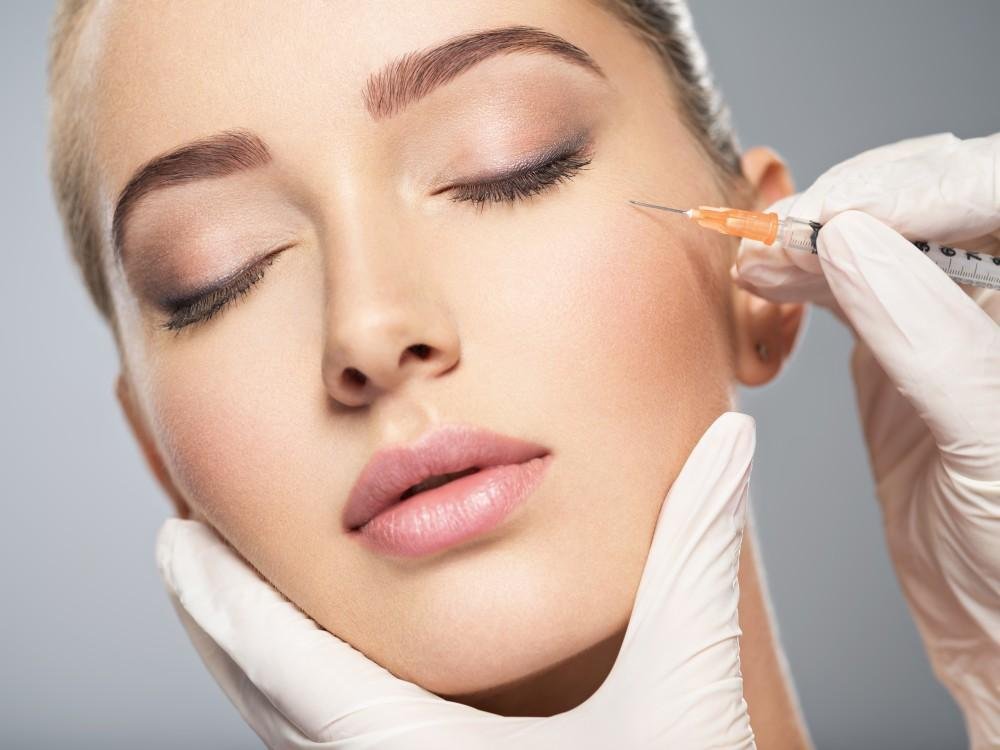
The neuromodulator industry generates $4.7 billion annually yet 43% of first-time patients abandon treatments after initial sessions due to unrealistic expectations about results timing, duration, and treatment capabilities, wasting $800-$1,200 on incomplete treatment plans that never achieve desired outcomes. This guide reveals exactly how neuromodulators like Botox and Dysport work, which concerns they effectively address, when visible improvements actually appear, and how long results realistically last—helping Edmonton residents make informed decisions about whether neuromodulator treatments align with their aesthetic goals and lifestyle requirements before investing in cosmetic injections.
Table of Contents:
- The Problem: Why Neuromodulator Expectations Often Lead to Disappointment
- What to Consider: Treatment Areas, Product Differences, and Result Variables
- How to Choose: Treatment Planning and Realistic Timeline Setting
- Marlee Patricia Aesthetics’ Approach to Natural Neuromodulator Results
- Frequently Asked Questions
The Problem: Why Neuromodulator Expectations Often Lead to Disappointment
The Instant Results Myth
Social media’s filtered reality and marketing imagery create widespread misconceptions about neuromodulator timing, leading 67% of new patients to expect immediate transformation despite the biological impossibility of instant muscle relaxation. The disconnect between marketing promises and physiological reality generates frustration when patients leave appointments looking identical to arrival, questioning whether treatments worked while providers struggle to explain the 3-14 day activation timeline that neuroscience dictates cannot be accelerated.
The mechanism of neuromodulators requires time for biological processes that marketing conveniently ignores. Botulinum toxin must bind to nerve terminals, undergo internalization into nerve cells, cleave specific proteins preventing neurotransmitter release, and gradually weaken muscle contractions through reduced stimulation. This cascade typically requires 24-72 hours for initial onset, 5-7 days for noticeable improvement, and 10-14 days for full effect, according to neuromodulator mechanisms documented in clinical research. No injection technique or product formulation can bypass these fundamental biological requirements, yet clinics promoting “instant Botox” perpetuate myths that guarantee disappointment.
Patient behavior during the waiting period often compromises results through anxiety-driven actions. Excessive facial manipulation to “check” for effects can disperse product from intended treatment sites. Premature return visits demanding touch-ups before full activation leads to over-treatment. Comparison to others’ experiences creates unnecessary concern when individual response varies normally by several days, as documented in injection safety guidelines. The psychological toll of waiting without understanding creates negative treatment associations that influence future decisions despite eventual satisfaction with final results.
The financial implications of unrealistic timing expectations prove substantial. Patients scheduling treatments immediately before events discover too late that optimal results require two-week lead time. Emergency appointments for “quick fixes” before important occasions result in disappointment when biology refuses to accommodate social schedules. Practitioners pressured to “do something” may over-inject, causing unnatural frozen appearances that reinforce negative stereotypes about cosmetic treatments. These timing miscalculations transform exciting aesthetic investments into stressful experiences that discourage continued treatment despite potential benefits.
The Duration Deception
Marketing claims of “results lasting up to 6 months” create expectations that reality rarely meets, with actual duration averaging 3-4 months for most patients while individual variation spans 8-20 weeks depending on multiple factors providers seldom discuss during consultations. The gap between maximum possible duration and typical experience generates dissatisfaction when treatments require more frequent sessions than budgets anticipated, leading patients to abandon maintenance before achieving steady-state results.
Metabolic rate significantly influences neuromodulator longevity through speed of protein regeneration at neuromuscular junctions. Athletes and fitness enthusiasts with high metabolic rates often experience 2-3 month duration compared to sedentary individuals achieving 4-5 months. Young patients’ rapid cellular turnover shortens duration versus older patients’ slower regeneration, as shown in aging skin studies. Medication interactions, particularly zinc supplementation and aminoglycoside antibiotics, alter duration unpredictably. These biological variables mean identical treatments produce vastly different longevity between patients or even between treatment cycles in the same individual.
The areas treated demonstrate dramatic duration differences rarely explained during consultations. Forehead muscles with constant animation typically require retreatment at 3 months while crow’s feet may last 4-5 months. Glabellar lines between eyebrows—the strongest facial muscles—often show movement return by 10 weeks. Lip flip treatments rarely exceed 8 weeks. Masseter treatments for jaw slimming can persist 6 months due to lower movement frequency. Understanding site-specific duration prevents disappointment when certain areas require more frequent maintenance than others.
Dosage economics create duration dilemmas that compromise treatment satisfaction. Proper dosing achieves 3-4 month duration but costs $400-$600 per session. Under-dosing to reduce costs shortens duration to 6-8 weeks, ultimately costing more through increased treatment frequency. The false economy of “baby Botox” micro-dosing generates 4-6 week duration requiring double the annual treatments. Patients attracted to low-price promotions discover that inadequate dosing necessitates more frequent visits, transforming apparent savings into higher annual expenditure while never achieving optimal results.
The Treatment Limitation Reality
Neuromodulators only address dynamic wrinkles caused by muscle movement, yet marketing implies comprehensive facial rejuvenation that biology cannot deliver, leaving patients disappointed when static lines, volume loss, skin texture, and pigmentation remain unchanged despite successful muscle relaxation. The distinction between movement-based aging and structural changes requires understanding that many patients lack, resulting in frustration when Botox cannot reverse decade-old etched lines or restore youthful contours that require different interventions.
Static wrinkles—lines visible at rest—develop from years of repeated muscle movement combined with collagen breakdown and skin thinning. While neuromodulators prevent further deepening by stopping causative movement, existing etched lines require additional treatments like dermal fillers, resurfacing procedures, or collagen stimulation. The disappointment when $500 Botox treatments don’t erase deep forehead furrows that took 20 years to form reflects fundamental misunderstanding about treatment capabilities versus combination approaches achieving dramatic improvement. Recent facial anatomy research confirms that addressing established static lines requires multi-modal treatment strategies beyond muscle relaxation alone.
Treatment area limitations frustrate patients expecting comprehensive solutions from single modalities. Neuromodulators cannot address under-eye bags caused by fat herniation, nasolabial folds from volume loss, marionette lines from ligament laxity, or jowling from tissue descent. The biological restriction to muscle-related concerns means many aging complaints require multi-modal approaches combining neuromodulators with fillers, biostimulators, or surgical interventions. Marketing that implies otherwise creates expensive disappointment when patients invest in inappropriate treatments for their actual concerns.
The Individual Response Variation
Genetic factors, lifestyle choices, and anatomical differences create dramatic variation in neuromodulator response that standardized dosing protocols cannot accommodate, yet most consultations present treatments as predictable procedures rather than highly individualized interventions requiring careful titration. The assumption that standard units produce standard results ignores biological diversity that makes some patients hyper-responders experiencing prolonged paralysis while others remain undertreated despite appropriate dosing.
Muscle mass and strength vary significantly between individuals, with stronger muscles requiring higher doses for equivalent relaxation. Male patients typically need 1.5-2 times female dosing due to greater muscle mass. Athletes with developed facial muscles from expressive training need increased units. Genetic variations in acetylcholine receptor density affect sensitivity to botulinum toxin. Previous treatments create antibody formation in 1-3% of patients, reducing effectiveness over time. These variables mean identical treatments produce vastly different outcomes between patients.
The antibody development phenomenon remains poorly understood by most patients despite significant treatment implications. Frequent treatments with high doses increase antibody risk, particularly with intervals under 12 weeks. Switching between different botulinum toxin formulations may trigger immune responses. Once antibodies develop, all neuromodulator brands become less effective, requiring alternative treatments. The irreversibility of antibody formation makes prevention through appropriate dosing intervals critical for maintaining long-term treatment options.
What to Consider: Treatment Areas, Product Differences, and Result Variables
Upper Face Treatment Zones
The upper third of the face represents the most common and successful neuromodulator treatment area, where targeted muscle relaxation produces dramatic yet natural improvement in expression lines that age appearance significantly. Understanding specific muscle anatomy and injection patterns enables realistic expectations about achievable outcomes versus limitations in each zone.
1. Forehead Lines (Frontalis): Horizontal forehead lines result from frontalis muscle elevation during expression, with treatment requiring careful balance between line reduction and maintaining natural brow position. Standard treatment uses 10-20 units distributed across 4-8 injection points, with lower doses preserving some movement for natural expression. Complete paralysis eliminates lines but creates frozen appearance and potential brow drooping. The frontalis muscle’s role in maintaining brow elevation means over-treatment causes heavy sensation and tired appearance that patients find intolerable.
Treatment considerations include natural brow position, with low-set brows requiring conservative dosing to prevent further descent. Asymmetric brow height needs differential dosing for balance. Deep static lines require combination approaches adding dermal fillers or resurfacing. Male patients need 15-25 units due to stronger musculature. The treatment creates subtle lifting when properly executed but cannot achieve surgical brow lift results despite marketing claims about “Botox brow lifts.”
2. Frown Lines (Glabella Complex): The glabellar complex between eyebrows involves five muscles creating vertical “11” lines and horizontal furrows during concentration and negative expressions. Standard treatment requires 20-25 units for females and 30-40 units for males, distributed across 5-7 injection sites targeting corrugator supercilii, procerus, and depressor supercilii muscles. This area demonstrates the most dramatic improvement from neuromodulators, often eliminating lines completely while preventing angry or stern appearance.
The glabella represents the strongest facial muscles, requiring adequate dosing for effective relaxation. Under-treatment results in partial movement creating unnatural expression patterns. The proximity to eye muscles demands precise injection technique avoiding migration causing eyelid ptosis. Deep etched lines present at rest require 3-4 treatment cycles for improvement through dermal remodeling. Patient satisfaction rates exceed 90% for glabellar treatment when properly dosed and executed.
3. Crow’s Feet (Lateral Orbital Lines): Lateral canthal lines radiating from eye corners during smiling and squinting respond well to neuromodulator treatment using 12-20 units per side in 3-4 injection points targeting orbicularis oculi muscle. The natural animation during genuine smiling means complete elimination appears unnatural, with optimal treatment softening rather than eliminating movement. Treatment extends to lower eyelid when indicated, though increased bruising risk and potential complications require advanced technique.
The delicate eye area skin shows significant improvement in texture and fine lines beyond just dynamic wrinkle reduction. However, lower eyelid laxity or festoons contraindicate treatment that could worsen appearance. The facial volume loss patterns research shows that apparent crow’s feet often combine muscle activity with volume depletion requiring combination treatments. Under-eye wrinkles from skin excess or fat herniation won’t improve with neuromodulators alone despite patient expectations.
Mid and Lower Face Applications
Beyond traditional upper face treatments, advanced neuromodulator applications address concerns throughout the mid and lower face, though these require greater expertise and carry increased risks that patients must understand before proceeding.
1. Bunny Lines (Nasalis): Diagonal lines across the nasal bridge during scrunching expressions respond to 4-8 units targeting nasalis muscle, though treatment can affect smile dynamics if incorrectly placed. These lines often become more prominent after glabellar treatment when compensatory muscle recruitment increases. Prevention through simultaneous treatment during initial glabellar injection proves more effective than correction after establishment. The proximity to important smile muscles means conservative dosing with gradual increase prevents unnatural appearance.
2. Lip Flip and Perioral Lines: The orbicularis oris muscle surrounding the mouth creates vertical lip lines and affects lip positioning, with careful treatment using 4-8 units producing subtle enhancement. The “lip flip” technique relaxes the upper lip’s downward pull, creating fuller appearance without filler volume. Perioral lines from pursing movements improve with 2-4 units distributed around the mouth. However, functional impact on speaking, drinking, and eating means many patients find results not worth temporary inconvenience despite aesthetic improvement.
Treatment risks include asymmetric smile, drooling, difficulty with straws, and speech changes that significantly impact quality of life. The short 6-8 week duration means frequent retreatment for maintenance. Combining with lip filler often produces superior results to neuromodulator alone. Patient selection remains critical, with unrealistic expectations about achievable enhancement leading to dissatisfaction. The social media trend of lip flips creates demand exceeding appropriate candidacy.
3. Masseter and Jawline Contouring: Masseter muscle treatment for jaw slimming and teeth grinding requires 20-40 units per side, with results developing gradually over 4-8 weeks as muscle mass reduces. The cosmetic slimming effect appeals to patients seeking facial feminization or softer jawlines. Medical benefits include TMJ symptom relief and prevention of tooth damage from bruxism. The 4-6 month duration exceeds other areas due to slower muscle reconditioning.
The treatment requires understanding of facial anatomy research to avoid affecting smile muscles or creating paradoxical bulging. Multiple treatments achieve cumulative muscle atrophy for enhanced slimming. However, muscle reduction may age appearance in older patients by eliminating youthful facial fullness. Athletic patients may experience reduced bite strength affecting eating. The permanent muscle changes possible with repeated treatment warrant careful consideration before initiating therapy.
Product Selection: Botox vs Dysport vs Newer Options
While botulinum toxin Type A products share similar mechanisms, subtle differences in formulation, diffusion, and onset influence treatment selection for specific applications and patient preferences, though marketing exaggerates distinctions that clinical practice rarely supports.
1. Botox (OnabotulinumtoxinA): As the original cosmetic neuromodulator with 20+ years of evidence, Botox remains the gold standard against which alternatives compare. The 100-unit vial reconstituted with saline provides predictable dosing with extensive clinical data supporting safety and efficacy. Onset typically occurs at 3-5 days with peak effect at 14 days and average duration of 3-4 months. The larger protein complex potentially reduces diffusion, providing precise treatment but requiring more injection points for coverage.
The brand recognition means patients specifically request Botox regardless of potential alternatives. FDA approval for cosmetic use includes glabellar lines, crow’s feet, and forehead lines, with extensive off-label applications. The established dosing protocols simplify treatment planning. However, the premium pricing exceeds alternatives by 10-20% without clear superiority in outcomes. Storage requirements and reconstitution add complexity versus ready-to-use formulations.
2. Dysport (AbobotulinumtoxinA): Dysport’s smaller protein size theoretically increases diffusion, providing broader coverage from fewer injection points but potentially increasing migration risk. The 300-unit vial creates conversion confusion, with 2.5-3:1 ratio to Botox units, though equivalency varies by treatment area. Onset may occur 24-48 hours faster than Botox, appealing to impatient patients. Duration matches Botox for most patients despite marketing claims of extended longevity.
The increased diffusion benefits treating large areas like foreheads but complicates precision work around eyes. European heritage with longer international use provides extensive safety data. The neuromodulator mechanisms show similar efficacy to Botox in head-to-head trials. Lower price point attracts cost-conscious patients without sacrificing quality. However, the unit conversion creates dosing errors, and some patients report less predictable results than Botox.
3. Newer Entrants and Future Options: Jeuveau (PrabotulinumtoxinA) markets as “NewTox” with similar properties to Botox at competitive pricing, though limited long-term data makes providers hesitant about switching established patients. Xeomin (IncobotulinumtoxinA) lacks accessory proteins, theoretically reducing antibody formation risk, appealing to frequent treatment patients. Daxxify (DaxibotulinumtoxinA) claims 6-month duration through peptide technology, though real-world results remain inconsistent with marketing promises.
The proliferation of options benefits patients through competitive pricing and potential for personalized selection based on individual response. However, switching products can produce unexpected results due to subtle formulation differences. Insurance rarely covers cosmetic applications regardless of product choice. The emphasis on product differences often overshadows the greater importance of injector skill and appropriate dosing for outcomes.
Combination Treatment Strategies
Optimal facial rejuvenation rarely relies on neuromodulators alone, with strategic combination approaches addressing multiple aging mechanisms simultaneously for results exceeding individual treatment capabilities.
1. Neuromodulator and Filler Synergy: Strategic sequencing of neuromodulators and dermal fillers maximizes both treatments’ effectiveness while minimizing product requirements. Treating dynamic wrinkles first with neuromodulators allows accurate assessment of remaining static lines requiring filler correction. The reduced muscle movement extends filler longevity by decreasing mechanical stress on products. Popular combinations include forehead Botox with temple filler for upper face rejuvenation, crow’s feet relaxation with tear trough filling, and lip flip enhancement with lip filler augmentation.
The timing between treatments affects outcomes, with same-day combination saving time but potentially compromising precision. Waiting 2 weeks between neuromodulator and filler allows full muscle relaxation before volume assessment. The combined investment of $1,200-$2,000 per session exceeds single treatments but provides comprehensive improvement justifying expense. Understanding each modality’s contribution prevents over-treatment while achieving natural results.
2. Biostimulator Integration: Combining neuromodulators with collagen-stimulating treatments like Sculptra addresses both dynamic wrinkles and skin quality deterioration that contributes to facial aging. The collagen production science demonstrates that reducing muscle movement during collagen remodeling may enhance results by minimizing mechanical disruption. Treatment protocols alternate between neuromodulator maintenance every 3-4 months and biostimulator sessions every 6-8 weeks during initial building phase.
The investment for combination protocols reaches $3,000-$5,000 over 6 months but provides improvement exceeding either treatment alone. Patients appreciate addressing multiple concerns simultaneously rather than sequential treatments over years. The gradual improvement from biostimulators complements immediate neuromodulator results for continuous enhancement. Long-term maintenance costs decrease as collagen improvement reduces reliance on frequent touch-ups.
How to Choose: Treatment Planning and Realistic Timeline Setting
Candidacy Assessment Framework
Determining appropriate candidacy for neuromodulator treatment requires honest evaluation of medical history, aesthetic goals, and lifestyle factors that influence both safety and satisfaction with outcomes.
1. Medical Considerations: Absolute contraindications include pregnancy, breastfeeding, and neuromuscular disorders like myasthenia gravis or Lambert-Eaton syndrome where treatment could prove dangerous. Allergies to albumin or botulinum toxin components preclude treatment. Active infections at injection sites require postponement. Relative contraindications needing careful consideration include autoimmune disorders potentially affecting healing, bleeding disorders increasing bruising risk, and certain medications like aminoglycoside antibiotics that potentiate effects.
Age considerations extend beyond chronological years to skin condition and muscle activity patterns. Patients under 25 rarely need treatment unless addressing specific concerns like congenital asymmetries. Prevention-focused treatment in late 20s and early 30s may delay wrinkle formation. Patients over 65 may achieve limited improvement if static lines dominate appearance. The skin health fundamentals research indicates that skin quality affects treatment response more than age alone.
Medication review identifies interactions affecting treatment safety or duration. Blood thinners increase bruising without affecting results. Zinc supplements may extend duration. Antibiotics in the aminoglycoside family potentiate effects requiring dose adjustment. Even seemingly unrelated medications like antidepressants can influence neurotransmitter function affecting results. Complete disclosure ensures safe, effective treatment planning.
2. Aesthetic Goal Alignment: Realistic goals distinguish satisfied patients from those perpetually disappointed despite technical success. Neuromodulators excel at softening expression lines, preventing wrinkle progression, and creating subtle facial contouring. They cannot eliminate static wrinkles, replace surgical procedures, or dramatically alter facial structure. Understanding these limitations before treatment prevents expensive disappointment.
The consultation process should establish specific, measurable objectives rather than vague desires for “looking younger.” Quantifiable goals like “reduce forehead movement by 70% while maintaining some expression” enable objective success assessment. Photo documentation provides baseline comparison for evaluating improvement. Written treatment plans outlining expected outcomes, timeline, and costs prevent misunderstandings. Patients seeking dramatic transformation need redirection toward appropriate interventions.
3. Lifestyle and Maintenance Commitment: Neuromodulator treatment requires ongoing commitment to maintenance every 3-4 months indefinitely, with costs averaging $1,500-$2,500 annually for basic treatment and $3,000-$5,000 for comprehensive facial coverage. Patients unable or unwilling to maintain regular treatments shouldn’t begin, as intermittent treatment provides minimal benefit while muscle memory re-establishes wrinkles between sessions. The financial planning should account for inflation and potential dose adjustments over time.
Activity levels influence treatment planning and duration expectations. High-intensity exercise accelerates metabolism, shortening duration and requiring more frequent treatment. Excessive sun exposure degrades results faster through accelerated skin aging. Smoking compromises treatment effectiveness and healing. Stress levels affect muscle tension, potentially requiring higher doses. These factors mean identical treatments produce different results based on lifestyle choices patients control.
Provider Selection Criteria
Choosing qualified providers determines treatment safety and satisfaction more than product selection or pricing, yet patients often prioritize convenience or cost over credentials, risking complications or suboptimal results.
1. Training and Credentials: Medical professionals legally permitted to inject neuromodulators vary by province, typically including physicians, nurse practitioners, registered nurses, and dentists with appropriate training. However, legal permission doesn’t guarantee aesthetic expertise. Board-certified dermatologists and plastic surgeons possess extensive facial anatomy knowledge but may lack injection experience if surgically focused. Nurse injectors with years of exclusive aesthetic practice often exceed physicians dabbling in cosmetic treatments.
Advanced training through organizations like the International Association for Physicians in Aesthetic Medicine indicates commitment to excellence beyond minimum requirements. Certification from product manufacturers ensures proper technique training. Continuing education attendance demonstrates current knowledge of evolving techniques. Portfolio review showing before/after photos reveals aesthetic style alignment. Years of experience matter less than case volume and complexity.
2. Facility Standards: Treatment facility quality indicators extend beyond surface aesthetics to safety protocols and emergency preparedness. Medical director oversight ensures appropriate supervision even when physicians don’t perform every injection. Emergency equipment including epinephrine and airway management tools should be immediately available despite rare adverse events. Proper refrigeration maintains product potency. Sterile technique prevents infections. These standards distinguish medical practices from “injection parties” or salon settings.
Insurance coverage protecting both provider and patient indicates professional operation. Informed consent processes explaining risks, benefits, and alternatives demonstrate ethical practice. Privacy compliance protecting patient information shows attention to regulatory requirements. Clean, professional environments indicate overall attention to detail affecting treatment quality. Red flags include pressure for same-day treatment, reluctance to answer questions, or absence of medical oversight.
Treatment Planning Optimization
Strategic treatment planning maximizes results while minimizing costs through appropriate timing, dosing, and combination strategies adjusted for individual needs rather than standardized protocols.
1. Initial Treatment Approach: Conservative initial dosing with planned touch-up allows response assessment without over-treatment risk, particularly for new patients with unknown sensitivity. Starting doses typically use minimum effective units: 20 units for glabella, 12 units for forehead, and 24 units for crow’s feet. The two-week follow-up evaluates effectiveness and documents response for future planning. Additional units address undertreated areas without creating frozen appearance from aggressive initial dosing.
The “start low and go slow” philosophy builds patient confidence while establishing individual response patterns. Some patients achieve excellent results with minimal dosing while others require maximum units for adequate relaxation. Muscle strength assessment during consultation provides dosing guidance but cannot predict exact requirements. Photo documentation at each visit tracks improvement and guides adjustments. This methodical approach achieves optimal results over 2-3 treatment cycles.
2. Maintenance Schedule Optimization: Establishing consistent treatment intervals maintains steady-state results superior to reactive treatment after complete wearing off, analogous to maintaining hair color versus allowing complete grow-out between appointments. Regular 12-14 week intervals prevent full muscle recovery, potentially extending duration over time through muscle conditioning. The consistent relaxation may allow gradual dose reduction while maintaining results. Scheduling next appointments during current visits ensures availability and prevents lapses.
Budget planning for quarterly treatments prevents financial stress affecting maintenance consistency. Many practices offer membership programs providing discounts for regular patients. Package purchasing reduces per-treatment costs while ensuring product availability. The long-term relationship enables providers to optimize treatments based on documented response patterns. Missing treatments resets progress, requiring higher doses to re-achieve previous results.
3. Combination Treatment Sequencing: Strategic sequencing of multiple treatments maximizes synergy while minimizing downtime and costs through coordinated planning rather than ad-hoc additions. Initial treatment focuses on primary concerns—typically neuromodulators for upper face wrinkles. Subsequent visits add complementary treatments like fillers for volume or biostimulators for skin quality. This staged approach spreads costs while allowing assessment of each intervention’s contribution.
Annual treatment calendars coordinate multiple modalities for optimal timing. Neuromodulators every 3-4 months anchor the schedule. Filler touch-ups at 6-12 months align with neuromodulator visits. Biostimulator series during winter months when sun exposure is minimal. Skin treatments between injection appointments maintain overall quality. This systematic approach achieves comprehensive rejuvenation exceeding random treatment selection.
Results Timeline Management
Understanding realistic timelines for onset, peak effect, and duration enables appropriate expectation setting and treatment planning that accommodates life events while avoiding disappointment from biological limitations.
1. Onset and Optimization Phases: The neurotoxin binding and effect cascade follows predictable patterns despite individual variation, with initial weakening at 24-72 hours that patients may not perceive. Days 3-5 bring noticeable softening of strong expressions though full movement remains possible. Week one shows 50-70% of final effect with significant line reduction during animation. Days 10-14 achieve peak relaxation with maximum aesthetic benefit. Week three represents optimal timing for assessment and touch-ups if needed.
Patient perception often lags behind actual improvement due to habitual self-observation missing gradual changes. Partners frequently notice changes before patients themselves. Photo comparison provides objective improvement evidence countering subjective disappointment. The gradual onset appears more natural to observers than theoretical instant transformation. Understanding this timeline prevents premature touch-ups that risk over-treatment from impatience.
2. Duration Patterns and Decline: Treatment longevity follows predictable degradation patterns enabling proactive maintenance scheduling based on individual response documentation. Weeks 8-10 show initial movement return starting with strongest muscles though aesthetic benefit remains. Month three brings noticeable line reappearance during strong expression prompting treatment consideration. Weeks 14-16 see significant movement recovery with static appearance returning toward baseline. Month four to five represents complete wearing off with full muscle function restored.
The gradual decline means optimal retreatment occurs before complete resolution, maintaining muscle relaxation that potentially extends subsequent duration. Waiting for complete wearing off allows full muscle recovery, potentially shortening next treatment’s longevity. Individual tracking identifies personal duration patterns varying from population averages. Some patients maintain excellent results for 5-6 months while others need retreatment at 10 weeks despite identical initial dosing.
3. Special Event Planning: Important events require strategic timing to ensure optimal appearance without risking complications that could compromise occasions. Ideal treatment occurs 3-4 weeks before events, allowing full effect development and touch-up opportunity if needed. This timeline accommodates potential bruising resolution and any adjustments for asymmetry. First-time treatments need 6-8 weeks lead time for conservative initial dosing and refinement. Emergency treatments within two weeks risk suboptimal results or visible bruising.
Common timing mistakes include last-minute treatments expecting instant results, scheduling immediately after events when photos reveal concerns, and planning around average timelines without considering individual variation. The injection safety guidelines recommend avoiding treatments within 48 hours of air travel due to theoretical infection risks. Major events warrant treatment familiarity rather than trying new providers or products with unpredictable results.
Marlee Patricia Aesthetics’ Approach to Natural Neuromodulator Results
Comprehensive Consultation Process
Marlee Patricia Aesthetics begins every neuromodulator journey with thorough consultation establishing realistic expectations while developing treatment plans aligned with individual anatomy, goals, and lifestyle rather than applying standardized protocols that ignore patient uniqueness.
The facial assessment evaluates static and dynamic patterns identifying which concerns neuromodulators effectively address versus those requiring alternative interventions. Years of nursing experience enables Marlee to recognize subtle asymmetries and muscle patterns affecting treatment planning. Digital photography captures expressions from multiple angles, revealing movement patterns invisible in repose. This detailed analysis guides precise unit allocation for balanced, natural results avoiding over-treatment or frozen appearance.
Education forms the consultation cornerstone, with clear explanation of neuromodulator mechanisms, expected timelines, and realistic outcomes based on individual presentation. Marlee demonstrates injection points and expected changes using anatomical models and before/after examples of similar cases. Written treatment plans outline recommended units, costs, and maintenance schedules preventing surprise expenses. Honest discussion about limitations ensures patients understand what neuromodulators cannot achieve, preventing disappointment from unrealistic expectations.
The collaborative planning process respects patient preferences while providing professional guidance based on extensive experience. Some patients prefer aggressive treatment eliminating all movement while others want subtle softening preserving expression. Budget considerations influence whether to treat all areas simultaneously or stage interventions. Lifestyle factors like exercise frequency and sun exposure affect duration expectations. This individualized approach achieves satisfaction rates exceeding industry averages through aligned expectations.
Natural-Looking Results Philosophy
The practice philosophy emphasizes natural-looking enhancement that refreshes appearance without obvious intervention, recognizing that the best cosmetic treatments remain undetectable to observers who simply notice patients looking well-rested and refreshed.
Conservative dosing with gradual increase over multiple treatments achieves optimal relaxation without frozen appearance that broadcasts cosmetic intervention. Initial treatments establish baseline response before adding units for enhanced effect. This approach prevents the over-treatment creating expressionless faces that fuel negative stereotypes about cosmetic injections. Patients maintain ability to convey emotions while eliminating harsh lines aging their appearance.
Strategic treatment planning addresses areas of greatest concern while maintaining facial harmony through proportional improvement. Treating frown lines without addressing crow’s feet creates imbalance drawing attention to untreated areas. The comprehensive facial assessment ensures all recommendations consider overall aesthetics rather than isolated concerns. This holistic approach produces balanced rejuvenation appearing natural rather than selectively treated.
The commitment to preserving individual character means avoiding trending looks that homogenize appearance across patients. Each face requires specific approaches honoring unique features rather than applying celebrity-inspired templates. Male patients maintain masculine features through conservative dosing preserving some movement. Older patients avoid overly smooth appearance incongruent with natural aging. This personalized artistry distinguishes medical aesthetics from assembly-line injection services.
Advanced Injection Techniques
Marlee’s extensive training and experience enable advanced techniques optimizing results while minimizing discomfort and complications through precise product placement and dosing strategies refined over thousands of treatments.
Anatomical expertise guides exact placement targeting specific muscle fibers for maximum effect with minimum product, reducing costs while achieving superior results. Understanding individual variation in muscle insertion and strength enables customized injection patterns. Recognition of danger zones prevents complications like eyelid ptosis or smile asymmetry. This precision distinguishes expert injectors from providers following basic templates without considering anatomical variation.
Pain management strategies minimize discomfort through topical anesthetics, ice application, distraction techniques, and gentle injection methods. The smallest appropriate needles reduce sensation while maintaining precise placement. Quick, confident injections prove less painful than tentative approaches. Pressure point manipulation during injection further reduces discomfort. These techniques enable comfortable treatment encouraging maintenance compliance.
The commitment to continuing education ensures awareness of emerging techniques and safety updates through regular training attendance and literature review. New injection patterns for specialized applications expand treatment possibilities. Safety alerts about complications guide risk mitigation strategies. Product updates inform optimal handling and reconstitution. This ongoing learning maintains cutting-edge expertise benefiting patient outcomes.
Follow-Up and Long-Term Care
Marlee Patricia Aesthetics’ commitment extends beyond initial treatment through structured follow-up ensuring optimal outcomes while building lasting relationships that enable progressively refined results over time.
Two-week follow-up appointments assess treatment response and address any concerns before effects fully stabilize. Photo comparison documents improvement objectively countering subjective perception gaps. Touch-up doses correct any asymmetry or under-treatment without additional consultation fees. This included follow-up distinguishes comprehensive care from volume-focused practices avoiding post-treatment responsibility.
Long-term treatment documentation tracks individual response patterns enabling optimized maintenance protocols based on historical data rather than population averages. Duration patterns guide scheduling to maintain consistent results. Dosing adjustments reflect changing needs over time. Product preferences emerge through experience with different formulations. This detailed record-keeping enables evidence-based treatment refinement impossible without comprehensive documentation.
Maintenance reminders and scheduling support ensure consistent treatment intervals preventing lapses that compromise results and require higher doses for re-establishment. Pre-booking next appointments during current visits guarantees availability during busy periods. Email reminders prompt scheduling for patients preferring flexibility. The established relationship enables quick touch-ups accommodating special events. This proactive management maintains optimal appearance with minimal effort from patients focused on living rather than treatment logistics.
Frequently Asked Questions
1. How do I know if I'm ready to start neuromodulator treatments?
Readiness for neuromodulator treatment depends on visible dynamic wrinkles during expression that concern you sufficiently to justify ongoing investment, typically emerging in late 20s to early 30s, though individual aging patterns vary based on genetics, sun exposure, and facial animation habits. The ideal candidate notices lines during expression that disappear at rest, possesses realistic expectations about achievable improvement, commits to quarterly maintenance indefinitely, and maintains stable health without contraindications. Starting treatment before lines become etched at rest enables prevention rather than correction, achieving superior long-term outcomes with lower lifetime doses compared to delayed intervention after deep wrinkles establish.
2. What's the real difference between Botox and Dysport in terms of results?
Clinical outcomes between Botox and Dysport prove remarkably similar despite marketing emphasis on differences, with both providing 3-4 month duration and equivalent wrinkle reduction when properly dosed, though individual patients may respond preferentially to one formulation. Dysport’s theoretical faster onset by 1-2 days rarely proves clinically significant while increased diffusion can benefit large areas but complicates precision work, with the main practical difference being unit conversion requiring 2.5-3 Dysport units per Botox unit affecting price calculations. Provider skill and appropriate dosing influence outcomes far more than product selection, making injector expertise the primary consideration rather than brand loyalty.
3. Why do my results seem to wear off faster than other people's?
Individual variation in neuromodulator duration stems from multiple factors including metabolic rate, with athletes and younger patients experiencing 2-3 month duration versus 4-5 months in sedentary older individuals, muscle strength requiring higher doses that still wear off quicker, and genetic differences in nerve regeneration and receptor density. Lifestyle factors like exercise frequency, sun exposure, stress levels, and certain medications accelerate breakdown while adequate dosing, consistent treatment intervals, and zinc supplementation may extend longevity, though some patients inherently metabolize treatments faster regardless of optimization efforts, requiring acceptance of shorter duration or consideration of alternative treatments.
4. Can neuromodulators actually prevent wrinkles from forming?
Preventive neuromodulator treatment beginning before static lines develop can significantly delay wrinkle formation by reducing repetitive muscle movements that create skin creasing, with aging skin studies demonstrating that consistent relaxation prevents dermal breakdown maintaining smoother skin texture over decades. Starting treatment in late 20s or early 30s when initial fine lines appear during expression prevents progression to etched wrinkles requiring more aggressive intervention, though prevention requires commitment to indefinite maintenance as stopping treatment allows rapid wrinkle development from resumed muscle activity, making this a long-term investment in appearance preservation rather than temporary intervention.
5. What happens if I stop getting neuromodulator treatments?
Discontinuing neuromodulator treatment results in gradual return of full muscle movement over 3-6 months as nerve terminals regenerate normal neurotransmitter release, with wrinkles reappearing at their baseline severity rather than worsening beyond pre-treatment status despite common misconceptions. The temporary muscle weakening doesn’t create dependency or accelerate aging, though patients accustomed to smooth appearance may perceive normal animation as excessive wrinkling, creating psychological rather than physical deterioration. Extended treatment providing years of prevention may mean wrinkles remain less severe than if never treated, offering some lasting benefit despite discontinuation, though regular muscle movement quickly re-establishes expression patterns making previous improvement increasingly subtle over time.