

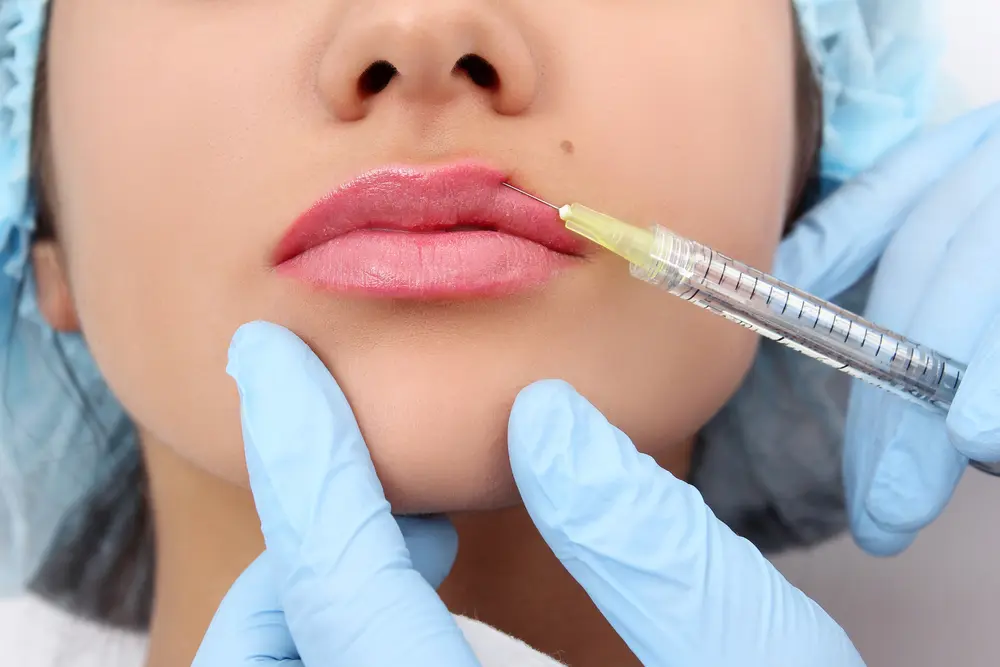
The lip filler industry pushes patients toward maximum volume treatments averaging 2-3ml despite 78% experiencing regret about excessive fullness, while mini treatments of 0.5-1ml often achieve desired enhancement without the duck lip distortion that makes 42% of patients dissolve their filler within 12 months. This guide reveals the practical differences between mini and full lip filler approaches, realistic swelling patterns that social media filters hide, and actual healing timelines that determine when lips look natural versus obviously augmented—helping Edmonton patients choose appropriate treatment volumes that enhance rather than overwhelm their facial features.
Table of Contents:
- The Problem: Why Lip Filler Volume Decisions Often Lead to Regret
- What to Consider: Mini vs Full Treatments, Swelling Reality, and Shape Outcomes
- How to Choose: Volume Selection Framework and Healing Expectations
- Marlee Patricia Aesthetics’ Approach to Natural Lip Improvement
- Frequently Asked Questions
The Problem: Why Lip Filler Volume Decisions Often Lead to Regret
The Volume Pressure Phenomenon
Social media’s obsession with dramatically full lips has normalized volumes that exceed natural human anatomy by 200-300%, creating pressure for patients to request 2-3ml of filler when 0.5-1ml would achieve their actual aesthetic goals. The constant exposure to heavily filtered images and celebrity transformations shifts perception of normal lip proportions, making natural lips appear deficient even when perfectly balanced with facial features.
The progression from natural to overdone follows predictable patterns that providers witness daily. Initial consultations reveal patients pointing to Instagram photos of lips containing 3-4ml of filler as their “natural” goal. First treatments using appropriate volumes disappoint because they don’t match filtered expectations. Patients return requesting “just a little more” repeatedly until achieving cartoon proportions. The gradual increase prevents recognition of obvious artificiality, similar to weight gain occurring slowly over months.
Industry economics incentivize maximum volume treatments that generate higher revenue:
- Full syringes cost $600-$800 regardless of amount used
- Unused product represents lost profit for clinics
- Larger volumes create dramatic transformations attracting social media attention
- Repeat customers chasing bigger lips ensure steady revenue
- Competition between providers escalates volume recommendations
The psychological impact of volume regret proves devastating when patients realize their mistake. Living with obviously artificial lips affects professional credibility and personal relationships. The facial anatomy research shows that excessive lip volume disrupts facial harmony in ways that become increasingly apparent over time. Dissolving overfilled lips costs $600-$1,200 and requires multiple sessions, creating financial burden beyond initial treatment costs.
Marketing tactics exploit insecurity about lip size without acknowledging that most patients need minimal enhancement. Before-after photos showcase maximum volume cases rather than subtle improvements. Consultations emphasize what’s “possible” rather than what’s appropriate. Package deals encourage purchasing multiple syringes upfront. These strategies push patients toward excessive treatment they later regret.
The Swelling Shock Reality
Nobody prepares patients for the dramatic swelling that makes lips appear 50-100% larger than final results for the first 48-72 hours, creating panic that leads to premature dissolution requests or, conversely, false confidence that disappears as swelling resolves. The disconnect between immediate post-treatment appearance and settled results generates anxiety that affects satisfaction regardless of technical success.
The swelling timeline follows predictable but poorly communicated patterns:
- Hours 0-6: Mild swelling from injection trauma, lips feel tight
- Hours 6-24: Dramatic swelling develops, lips double in size
- Days 2-3: Peak swelling creating alarming appearance
- Days 4-7: Gradual reduction though still noticeably swollen
- Days 7-14: Final settling revealing actual results
Social media compounds swelling shock by showcasing immediate post-treatment photos as “goals” without disclosing the temporary nature of extreme fullness. Patients expecting their lips to remain at day-one size experience disappointment when swelling resolves to intended volume. Conversely, those horrified by initial swelling may request dissolution before allowing adequate settling time.
Individual swelling variation creates additional confusion:
- Some patients swell minimally, concerning them about adequate treatment
- Others develop extreme edema lasting weeks rather than days
- Bruising accompanies swelling in 30-40% of patients
- Asymmetric swelling creates temporary imbalance
- Oral animations appear distorted until inflammation resolves
The lack of honest swelling education leads to emergency calls, unnecessary clinic visits, and patient distress that could be prevented through realistic preparation. Providers showing only settled results create false expectations about immediate appearance. The injection safety guidelines emphasize informed consent including temporary appearance changes.
The Shape Distortion Dilemma
Patients focusing exclusively on volume fail to understand that lip filler affects shape, proportion, and animation in ways that determine whether results appear natural or artificial. The obsession with size overshadows critical considerations about maintaining individual lip architecture and facial harmony that distinguish enhancement from distortion.
Natural lip anatomy varies dramatically between individuals, with each person’s unique features requiring different approaches:
- Cupid’s bow prominence ranges from sharp peaks to gentle curves
- Vermillion border definition varies from distinct to gradual
- Upper to lower ratios differ across ethnicities
- Natural asymmetries exist in 97% of faces
- Philtrum column definition affects upper lip projection
Standardized injection techniques ignoring individual anatomy create uniform sausage lips lacking character. The “Russian lip” technique trending on social media produces sharp vermillion borders that appear artificial on most faces. Overfilling the upper lip to match the lower violates natural 1:1.6 ratios. Creating excessive projection without width produces duck-like protrusion. These shape distortions broadcast cosmetic enhancement regardless of volume.
Animation changes from filler affect facial expressions in unexpected ways:
- Smiling becomes restricted with excessive volume
- Speech patterns alter with projected lips
- Eating and drinking require adaptation
- Kissing feels different to both patient and partner
- Resting position changes affecting default expression
The functional impact of shape changes often matters more than static appearance. Patients report difficulty playing wind instruments, altered wine tasting ability, and changed sensation during intimacy. These quality-of-life impacts rarely receive discussion during consultation focused on aesthetic outcomes.
The Maintenance Misconception
Marketing suggests lip filler provides 6-12 months of enhancement, yet clinical reality shows 3-6 month duration requiring quarterly treatments costing $2,400-$3,200 annually—a maintenance burden many patients cannot sustain, leading to cycles of treatment and complete dissolution when budgets restrict.
Duration varies dramatically based on multiple factors providers rarely discuss comprehensively:
- Metabolism rate: Athletes metabolize filler in 3-4 months
- Product selection: Softer fillers last 3-6 months versus 6-9 for firmer options
- Volume injected: Smaller amounts disappear faster
- Individual enzymes: Hyaluronidase levels affect breakdown
- Lip habits: Smoking, pursing, and excessive movement shorten duration
The maintenance trap develops when patients achieve desired fullness then struggle to maintain it. Initial excitement about enhanced lips motivates regular touch-ups. Financial pressure eventually forces treatment delays. Partially degraded filler creates uneven appearance. Complete dissolution becomes necessary to reset. The cycle repeats, costing more than consistent maintenance would have required.
Hidden maintenance costs compound published treatment prices:
- Consultation fees for each appointment: $100-$200
- Numbing cream and supplies: $25-$50
- Time off work for swelling: Lost wages
- Touch-up appointments for asymmetry: Additional fees
- Dissolution if unhappy: $600-$1,200
The aging skin studies demonstrate that repeated lip filling may accelerate natural volume loss through tissue stretch, creating dependency where lips appear more deflated between treatments than before starting filler.
What to Consider: Mini vs Full Treatments, Swelling Reality, and Shape Outcomes
Mini Lip Filler Approach (0.5-1ml)
Mini lip filler treatments using 0.5-1ml provide subtle enhancement that improves lip shape and hydration without dramatic size increase, appealing to patients seeking natural improvement rather than obvious augmentation.
1. Volume Distribution Strategy: Mini treatments require precise distribution maximizing impact from limited product. Typical allocation uses 0.3-0.4ml in the upper lip focusing on defining Cupid’s bow and adding gentle projection, with 0.2-0.3ml in the lower lip creating subtle fullness. The vermillion border receives tiny amounts for definition without harsh demarcation. This strategic placement enhances natural architecture rather than inflating volume uniformly.
The injection technique for mini treatments demands exceptional precision:
- Multiple small aliquots rather than large boluses
- Superficial placement for shape versus deep for volume
- Focus on enhancing existing features not creating new ones
- Preservation of natural landmarks and proportions
- Gradual building through serial treatments if needed
Results from mini treatments appear refreshed rather than done. Lips look hydrated and defined as if wearing perfect lip color. The enhancement photographs well without appearing artificial in person. Movement remains completely natural without restriction. Most observers cannot identify filler presence, attributing improvement to general wellness or makeup.
2. Ideal Candidates for Mini Treatment: Young patients with good natural volume benefit most from mini treatments that enhance rather than augment. First-time filler patients uncertain about commitment appreciate starting conservatively. Professional settings where obvious enhancement could affect credibility favor subtle improvement. Patients with thin lips may still achieve significant relative improvement from small volumes, as 0.5ml can increase tiny lips by 30-40% while barely affecting already full lips.
Specific goals achieved through mini treatment:
- Defining lost vermillion borders from aging
- Correcting minor asymmetries
- Hydrating dry, crepey lip texture
- Enhancing Cupid’s bow definition
- Adding subtle projection without width
- Smoothing fine vertical lines
3. Duration and Maintenance Considerations: Mini treatments typically last 3-6 months, shorter than full treatments due to smaller volume and constant lip movement dispersing product. However, the lower cost per treatment ($300-$500) makes quarterly maintenance financially feasible for many patients. The subtle changes mean complete dissolution between treatments appears less dramatic than full volume loss.
Some patients maintain mini results longer through strategic approaches:
- Starting with 1ml then maintaining with 0.5ml quarterly
- Combining with lip flip using neuromodulators
- Excellent lip care maintaining hydration
- Avoiding habits accelerating breakdown
- Using firmer products accepting slight stiffness for longevity
Full Lip Filler Treatment (1.5-3ml)
Full lip filler treatments create dramatic volume increase that significantly alters facial proportions, requiring careful consideration of anatomy, lifestyle, and maintenance commitment to avoid artificial appearance or functional compromise.
1. Volume Placement Philosophy: Full treatments must balance dramatic enhancement with natural proportion maintenance—a challenge requiring artistic vision and technical skill. Typical distribution uses 1-1.5ml in upper lip and 0.5-1.5ml in lower lip, though individual anatomy may require different ratios. The key lies in creating three-dimensional fullness rather than simple inflation, building projection, width, and definition harmoniously.
Advanced techniques for full volume placement:
- Deep and superficial layering for structure and smoothness
- Lateral fullness preventing central sausage appearance
- Graduated projection maintaining natural taper
- Philtrum column enhancement framing upper lip
- Oral commissure support preventing downturned appearance
The hyaluronic acid properties research shows that larger volumes require careful product selection balancing softness for natural movement with enough structure to maintain shape. Using multiple products of varying densities optimizes both appearance and function.
Managing Proportion and Harmony: Full lip treatments risk disrupting facial balance when lips become disproportionately large relative to other features. The relationship between lip size and nose width, chin projection, and cheek volume determines whether enhancement appears harmonious or jarring. Patients with delicate features may appear overwhelmed by full lips that would suit stronger bone structure.
Considerations for maintaining facial harmony:
- Ethnic variations in natural lip proportions
- Age-appropriate fullness avoiding teenage lips on mature faces
- Gender differences in acceptable enhancement
- Professional requirements limiting dramatic changes
- Partner preferences affecting intimate relationships
- Cultural beauty standards varying by community
Full treatments often require complementary procedures maintaining balance. Chin augmentation may be necessary to balance projected lips. Cheek enhancement prevents lips from dominating the lower face. Perioral rejuvenation addresses surrounding wrinkles emphasized by smooth, full lips. These additional treatments increase total investment significantly.
1. Functional Adaptations Required: Living with fully augmented lips requires lifestyle adjustments patients rarely anticipate. Eating becomes messy with reduced sensation and control. Drinking from cups requires practice preventing spills. Lipstick application changes with altered contours. Dental hygiene becomes challenging with projected lips. Wind instruments become unplayable. These functional impacts affect daily life beyond aesthetic considerations.
Speech changes subtly but noticeably with full lips:
- Certain sounds become difficult requiring adaptation
- Professional speakers may find articulation affected
- Singing voice may change slightly
- Foreign language pronunciation alters
- Phone conversations sound different
Swelling Patterns and Management
Understanding realistic swelling patterns enables appropriate planning and prevents panic during the dramatic temporary changes following lip filler injection.
2. Mini Treatment Swelling Timeline: Mini treatments produce less dramatic swelling due to smaller volumes and reduced tissue distension. Day one brings 20-30% size increase from inflammation. Peak swelling at 48 hours adds 40-50% to baseline. Resolution occurs faster with most swelling gone by day five. Final settling by day seven reveals true results. The manageable swelling allows returning to activities sooner.
Swelling management for mini treatments:
- Ice application first 24 hours reducing inflammation
- Arnica supplements beginning pre-treatment
- Sleeping elevated minimizing fluid accumulation
- Avoiding exercise 48 hours preventing increased swelling
- Salt restriction reducing fluid retention
- Gentle lymphatic massage after 48 hours
3. Full Treatment Swelling Expectations: Full volume treatments create dramatic swelling that shocks unprepared patients. Immediate post-treatment lips may appear 100% larger than baseline. Day two brings peak swelling creating almost comical proportions. The dramatic inflammation lasts 3-5 days before beginning resolution. Complete settling requires 10-14 days minimum. Some patients experience residual swelling for three weeks.
The psychological impact of extreme swelling requires preparation:
- Warning employers about temporary appearance change
- Scheduling around important events allowing settling time
- Preparing family for dramatic initial appearance
- Having supplies ready for home recovery
- Understanding normal versus concerning symptoms
Photos documenting swelling progression reassure patients about normal resolution. The injection safety guidelines emphasize that providers must prepare patients for temporary appearance changes preventing unnecessary concern.
4. Complications Versus Normal Swelling: Distinguishing normal swelling from complications requiring intervention prevents both unnecessary panic and delayed treatment of genuine problems. Normal swelling appears symmetric, peaks at 48-72 hours, and gradually improves. Concerning signs include progressive worsening after 72 hours, severe pain beyond tenderness, color changes suggesting vascular compromise, fever indicating infection, or firm nodules rather than soft swelling.
Red flags requiring immediate attention:
- White blanching indicating arterial occlusion
- Dusky purple suggesting venous congestion
- Expanding firmness possibly indicating hematoma
- Pustules or discharge suggesting infection
- Severe asymmetry beyond normal variation
Shape Outcomes and Animation Changes
The aesthetic success of lip filler depends more on shape refinement than volume addition, with technique and artistic vision determining whether results appear naturally beautiful or artificially augmented.
1. Mini Treatment Shape Enhancement: Mini treatments excel at refining natural lip shape without drastically altering proportions. Defining the Cupid’s bow creates youthful peaks. Enhancing vermillion borders provides definition without harsh lines. Supporting oral commissures lifts downturned corners. Adding subtle projection creates pout without duck appearance. These refinements improve appearance while maintaining individual character.
Shape improvements achievable with mini volumes:
- Correcting asymmetries through strategic placement
- Creating golden ratio proportions
- Defining philtrum columns framing upper lip
- Enhancing natural tubercles for dimension
- Smoothing irregular borders from aging
- Lifting corners creating pleasant default expression
The limited volume requires choosing specific improvements rather than comprehensive enhancement. Prioritizing the most impactful changes maximizes results from minimal product. Some patients require 2-3 mini sessions building toward goals gradually rather than attempting everything simultaneously.
2. Full Treatment Shape Transformation: Full volume treatments can dramatically reshape lips, creating features absent naturally. Building prominent Cupid’s bow where none existed. Creating full lower lip balancing thin upper. Adding significant projection for dramatic pout. Widening narrow lips matching facial proportions. These transformations require artistic vision ensuring changes harmonize with overall facial structure.
Shape considerations with larger volumes:
- Maintaining natural taper from center to corners
- Preserving individual anatomical landmarks
- Creating smooth transitions avoiding lumps
- Balancing projection with width
- Ensuring symmetric animation
- Preventing sausage uniformity
The facial anatomy research demonstrates that successful shape transformation requires understanding underlying muscle function and how filler interacts with dynamic structures during animation.
3. Animation Preservation Strategies: Natural lip movement distinguishes good filler work from obvious augmentation. Mini treatments rarely affect animation due to minimal volume. Full treatments risk creating stiffness broadcasting enhancement whenever patients speak or smile. Successful treatment preserves fluid movement through strategic placement and appropriate product selection.
Techniques maintaining natural animation:
- Using softer products in mobile areas
- Avoiding overfilling restricting muscle function
- Placing product in anatomical planes accommodating movement
- Distributing volume preventing focal restriction
- Testing animation during treatment
- Adjusting based on individual expression patterns
How to Choose: Volume Selection Framework and Healing Expectations
Personal Assessment Framework
Choosing between mini and full lip filler requires honest evaluation of facial anatomy, lifestyle factors, and aesthetic goals rather than following trends or responding to marketing pressure.
1. Anatomical Considerations: Facial structure determines how much enhancement appears natural versus overwhelming. Patients with delicate features and small facial proportions typically suit mini treatments maintaining harmony. Strong bone structure with prominent features can balance fuller lips without disproportion. The relationship between nose size, chin projection, and lip volume guides appropriate enhancement levels.
Specific anatomical factors influencing volume selection:
- Natural lip size and shape baseline
- Facial thirds proportion and balance
- Ethnic background affecting ideal ratios
- Age-related changes requiring restoration
- Teeth position affecting lip support
- Skin quality determining product integration
Measuring facial proportions provides objective guidance beyond subjective preference. The ideal upper lip height equals one-third the nose length. Lower lip height should be 1.6 times upper lip. Lip width should equal 1.5 times nose width. While these guidelines provide starting points, individual variation and personal preference ultimately determine appropriate enhancement.
2. Lifestyle and Professional Factors: Career requirements significantly influence appropriate lip enhancement levels. Conservative professions including law, medicine, and education often favor subtle enhancement maintaining credibility. Creative fields may embrace dramatic changes. Customer-facing roles require considering client perceptions. Public speaking positions need to account for potential speech changes.
Personal lifestyle considerations affecting volume choice:
- Athletic activities where excessive fullness interferes
- Musical instruments requiring precise lip control
- Intimate relationships and partner preferences
- Social circles and community standards
- Maintenance budget for ongoing treatments
- Tolerance for recovery downtime
The commitment to maintenance represents a crucial decision factor. Full treatments requiring quarterly $800 touch-ups may strain budgets. Mini treatments at $400 quarterly prove more sustainable. Inconsistent maintenance creates cycles of over and under-correction. Understanding true long-term costs prevents future disappointment.
2. Psychological Readiness Assessment: The psychological impact of lip enhancement extends beyond physical appearance. Some patients feel empowered by dramatic changes while others experience identity disruption. Starting with mini treatments allows psychological adjustment before committing to dramatic transformation. The ability to reverse hyaluronic acid filler provides safety but doesn’t eliminate emotional impact.
Questions revealing psychological readiness:
- Why do I want lip enhancement now?
- Am I comparing myself to filtered images?
- Would I be satisfied with subtle improvement?
- How would I handle negative comments?
- Am I enhancing for myself or others?
- Can I afford ongoing maintenance?
The skin health fundamentals research indicates that patients with realistic expectations and internal motivation achieve higher satisfaction than those responding to external pressure.
Provider Selection for Optimal Results
Choosing the right injector matters more than deciding between mini or full treatment, as skilled providers achieve beautiful results with any volume while inexperienced injectors create problems regardless of amount used.
3. Evaluating Injector Expertise: Lip enhancement requires specialized skills beyond basic injection training. Providers should demonstrate extensive experience specifically with lips rather than general facial injections. Portfolio review revealing consistent natural results across various volumes indicates technical proficiency. The ability to show multiple examples of both mini and full treatments demonstrates versatility.
Critical qualifications to verify:
- Medical credentials and licensing
- Specialized aesthetic training beyond basics
- Years focusing on facial aesthetics
- Annual number of lip treatments performed
- Complication management experience
- Artistic background or training
Red flags suggesting inadequate expertise include pressure for maximum volume, unwillingness to start conservatively, limited before-after examples, focus on trends over individual anatomy, and dismissal of concerns about looking overdone. Providers prioritizing natural results often require multiple consultations ensuring patient readiness rather than rushing treatment.
4. Consultation Quality Indicators: Comprehensive consultation distinguishes excellent providers from volume-focused injectors. Detailed facial analysis considering overall proportions indicates holistic approach. Discussion of multiple options including doing nothing shows patient-centered care. Clear explanation of risks, swelling, and healing demonstrates transparency. Written quotes outlining costs prevent surprises.
Elements of thorough lip consultation:
- Photography from multiple angles
- Measurement of current proportions
- Discussion of shape versus volume goals
- Review of swelling timeline with photos
- Explanation of product options
- Realistic outcome expectations
- Maintenance requirements and costs
The provider should spend significant time understanding aesthetic goals beyond simple volume requests. Exploring why patients seek enhancement reveals whether expectations align with achievable outcomes. This psychological component matters equally to technical execution for satisfaction.
5. Technique Evaluation: Observing injection technique during treatment reveals provider skill level. Confident, smooth movements indicate experience. Constant assessment during injection shows attention to detail. Willingness to stop at appropriate volume demonstrates restraint. The use of both needle and cannula techniques shows versatility. Minimal bleeding and bruising suggest gentle technique.
Signs of excellent technique:
- Marking precise injection points beforehand
- Using appropriate anesthesia for comfort
- Checking frequently for symmetry
- Massaging and molding for smooth results
- Stopping before maximum volume
- Scheduling follow-up for assessment
Treatment Planning and Timing
Strategic treatment planning optimizes results while minimizing complications and downtime through appropriate timing and gradual building rather than aggressive single sessions.
1. The Building Approach Advantages: Starting with mini treatment allows assessment of healing patterns, swelling response, and aesthetic satisfaction before committing to larger volumes. Initial 0.5ml treatment establishes baseline enhancement. Two-week follow-up enables refinement adding 0.25-0.5ml if desired. This gradual building prevents overcorrection while allowing psychological adjustment to enhanced appearance.
Building timeline for optimal results:
- Month 1: Initial mini treatment (0.5-0.75ml)
- Week 2-3: Assessment and potential touch-up (0.25ml)
- Month 3: Evaluate longevity and satisfaction
- Month 4: Add volume if desired (0.5ml)
- Month 6: Establish maintenance schedule
This conservative approach costs more through multiple appointments but prevents expensive dissolution of excessive filler. Patients appreciate controlling the enhancement level rather than committing to dramatic change immediately.
2. Timing Around Life Events: Lip filler timing requires careful planning around important events accounting for swelling and potential complications. Ideal treatment occurs 3-4 weeks before events allowing complete healing. First-time treatments need 6 weeks for potential adjustments. Emergency enhancements within two weeks risk attending events with swelling or bruising.
Scheduling considerations:
- Avoid treatment within 2 weeks of air travel
- Plan around menstrual cycles affecting swelling
- Consider seasonal allergies increasing inflammation
- Account for work schedules during recovery
- Coordinate with other facial treatments
- Allow time for dissolution if unhappy
The injection safety guidelines recommend avoiding dental work within 2 weeks of lip filler preventing bacteria introduction.
3. Maintenance Strategy Development: Establishing sustainable maintenance prevents the feast-or-famine cycle of allowing complete dissolution between treatments. Regular touch-ups every 3-4 months maintain consistent appearance using smaller volumes than initial treatment. This steady-state approach typically requires 50% of initial volume quarterly, proving more economical than repeated full corrections.
Maintenance optimization strategies:
- Pre-booking appointments ensuring availability
- Budgeting for quarterly treatments
- Tracking individual duration patterns
- Adjusting schedules based on metabolism
- Combining with other treatments for efficiency
- Maintaining product consistency
Managing Healing and Results
Understanding realistic healing progression prevents anxiety during recovery while enabling recognition of complications requiring intervention.
1. Days 1-3: Acute Phase Management: The immediate post-treatment period brings dramatic swelling that peaks around 48 hours. Lips feel tight, tender, and appear alarmingly large. This acute phase requires commitment to aftercare minimizing inflammation. Ice application for 10 minutes hourly while awake reduces swelling. Sleeping elevated prevents fluid accumulation. Avoiding heat, exercise, and alcohol minimizes inflammation.
Acute phase expectations:
- Inability to assess true results
- Difficulty eating and drinking normally
- Possible bruising developing
- Asymmetric swelling appearing
- Firmness from product and inflammation
- Anxiety about final appearance
Constant reassurance that dramatic swelling resolves prevents panic. Photos comparing to other patients’ progression provide perspective. Understanding that lips may appear 100% larger temporarily reduces emergency calls requesting immediate dissolution.
2. Week 1-2: Integration Period: As acute swelling resolves, lips begin revealing actual enhancement though remaining slightly larger than final results. Product continues integrating with tissues, softening and settling into natural position. Animation gradually returns to normal. Patients begin adjusting to enhanced appearance psychologically and physically.
Integration period observations:
- 70% of swelling resolved by day 7
- Firmness softening gradually
- True asymmetries becoming apparent
- Shape refinement continuing
- Sensation returning to normal
- Functional adaptation occurring
This period allows initial assessment of whether volume and shape meet expectations. Minor asymmetries may be addressed with small touch-ups. Significant dissatisfaction might warrant dissolution discussion, though waiting for complete settling remains preferable.
3. Weeks 2-4: Final Results: Complete integration typically occurs by week 3-4, revealing final enhancement that remains until product degradation begins. Lips feel completely natural to touch. Animation returns to normal. The enhanced appearance becomes integrated into self-image. This represents the optimal time for assessment photos and decisions about additional treatment.
Final result characteristics:
- Natural softness and movement
- Stable shape and volume
- Complete sensation restoration
- Normalized lip function
- Psychological acceptance
- Maintenance planning initiation
The aging skin studies show that optimal results from lip filler correlate with patience during healing rather than premature intervention.
Marlee Patricia Aesthetics’ Approach to Natural Lip Improvement
Individualized Volume Recommendations
Marlee Patricia Aesthetics approaches lip enhancement through careful assessment of individual anatomy and goals rather than pushing maximum volumes, with recommendations based on facial proportions and lifestyle factors ensuring natural, sustainable results.
The consultation begins with comprehensive facial analysis examining not just lips but overall proportions and balance. Years of experience enable Marlee to recognize how different lip volumes affect facial harmony. Digital photography captures current proportions from multiple angles, providing objective baseline for treatment planning. This thorough evaluation guides recommendations that enhance natural beauty rather than creating artificial features.
Marlee’s nursing background brings medical precision to aesthetic treatments. Understanding facial anatomy and injection risks ensures safe treatment delivery. Recognition of vascular danger zones prevents serious complications. Assessment of medical history identifies factors affecting healing and duration. This clinical expertise combines with artistic vision for results that are both beautiful and safe.
The recommendation process involves honest discussion about achievable outcomes versus unrealistic expectations. Marlee explains why certain volumes would overwhelm delicate features or why mini treatments might insufficient for specific goals. Visual aids including before-after photos of similar patients demonstrate realistic possibilities. This education empowers informed decisions rather than impulse choices driven by trends.
Conservative Starting Philosophy
The practice philosophy emphasizes starting conservatively with all lip treatments, building gradually toward desired enhancement rather than aggressive initial volumes risking overcorrection and regret.
Initial treatments typically begin with 0.5-0.75ml regardless of ultimate goals, allowing assessment of individual response patterns. This conservative approach reveals how patients metabolize filler, their swelling patterns, and psychological comfort with enhancement. Some achieve desired results from minimal volume while others need more for equivalent improvement. Starting small enables personalized optimization impossible with aggressive first treatments.
The gradual building process spans multiple appointments creating natural integration:
- First treatment establishes subtle enhancement
- Two-week follow-up allows refinement
- Three-month assessment guides maintenance planning
- Subsequent treatments build toward goals gradually
This patience prevents the overfilled appearance resulting from single-session maximum correction. Patients appreciate maintaining control over their enhancement level rather than committing to dramatic change immediately. The ability to stop at any point provides psychological comfort encouraging treatment initiation.
Documentation throughout the building process enables evidence-based decisions. Photos at each stage track progressive enhancement objectively. Treatment notes record product types, volumes, and placement locations. Patient feedback guides adjustments. This systematic approach achieves optimal results through refinement rather than guesswork.
Natural Shape Preservation
Marlee’s injection technique prioritizes preserving individual lip characteristics that make each person’s smile special rather than creating uniform, generic lips that could belong to anyone.
The approach begins with identifying unique anatomical features worth preserving. Natural Cupid’s bow variations receive enhancement rather than standardization. Individual tubercle patterns get respected rather than obliterated. Asymmetries contributing to character remain while problematic irregularities get corrected. This preservation of individuality ensures results that enhance personal beauty rather than creating cookie-cutter lips.
Injection patterns adapt to individual anatomy rather than following rigid templates:
- Placement depth varies based on tissue characteristics
- Distribution patterns respect natural architecture
- Volume allocation emphasizes individual strengths
- Problem areas receive targeted correction
- Animation patterns guide technique modification
The hyaluronic acid properties research confirms that respecting natural anatomy creates superior aesthetic outcomes compared to standardized approaches.
Product selection considers individual lip characteristics affecting integration. Patients with thin lips may need firmer products providing structure. Naturally full lips benefit from softer fillers maintaining movement. Dry, crepey lips respond to hydrophilic products improving texture. This matching of product properties to tissue needs optimizes both appearance and longevity.
Comprehensive Aftercare Support
Marlee Patricia Aesthetics provides extensive aftercare support helping patients navigate the healing process with confidence while ensuring optimal results through proper recovery management.
Detailed aftercare instructions begin before treatment, ensuring patients prepare properly. Written guidelines outline expected swelling progression with timeline photos showing normal healing. Supply recommendations include specific ice packs, arnica products, and gentle cleansers. Dietary suggestions minimize inflammation. Activity restrictions prevent complications. This preparation reduces anxiety while optimizing healing.
The practice remains accessible throughout recovery for questions and concerns. Text support with photo review helps distinguish normal swelling from complications. Phone consultations provide reassurance during peak swelling periods. Emergency protocols ensure rapid response to genuine problems. This availability prevents unnecessary panic while ensuring prompt intervention when needed.
Follow-up appointments assess healing and results without additional consultation charges. Two-week checks allow minor adjustments if needed. Photos document healing progression for future reference. Discussion of maintenance schedules ensures sustained results. This ongoing support distinguishes comprehensive care from transactional treatment.
Long-term relationship building enables progressive refinement achieving ideal results over time. Regular patients develop predictable response patterns guiding optimization. Maintenance schedules adjust based on individual metabolism. Product preferences emerge through experience. This partnership approach ensures continued satisfaction through evolving aesthetic goals and aging changes.
Frequently Asked Questions
1. Is 0.5ml of lip filler enough to see a difference?
Yes, 0.5ml creates noticeable improvement in most patients, particularly those with smaller lips where this volume represents significant proportional enhancement, though results appear subtle and natural rather than dramatic. The change equals approximately 15-25% size increase depending on baseline volume, creating definition, hydration, and shape improvement that photographs beautifully while maintaining complete naturalism. Patients with already full lips may find 0.5ml insufficient for desired enhancement, while those with thin lips often achieve their goals from this conservative volume. The facial anatomy research demonstrates that strategic placement of small volumes often creates better aesthetic outcomes than larger volumes poorly distributed.
2. How long does lip swelling actually last with mini vs full treatments?
Mini treatments (0.5-1ml) typically produce noticeable swelling for 3-5 days with 50% resolution by day 3 and 90% by day 7, while full treatments (1.5-3ml) create dramatic swelling lasting 7-14 days with peak enlargement at 48-72 hours appearing almost comically disproportionate. Individual variation means some patients experience minimal swelling resolving within 48 hours while others develop significant edema lasting three weeks regardless of volume. The swelling pattern follows predictable progression: immediate mild swelling from injection trauma, dramatic increase over 24-48 hours, peak at days 2-3, gradual resolution over week two, and final settling by week 3-4 revealing true results.
3. Will my lips go back to normal if I stop getting filler?
Lips return to baseline appearance as hyaluronic acid filler naturally degrades over 6-12 months, though some patients report feeling their lips appear smaller than pre-treatment due to psychological adjustment to enhanced size rather than actual tissue changes. The skin health fundamentals research shows no permanent stretching from appropriate volumes, though excessive filling over years may cause subtle tissue changes. Regular filler may actually preserve lip volume through collagen stimulation, meaning discontinued treatment reveals age-appropriate lips rather than damaged tissues. The psychological impact of returning to baseline often exceeds physical changes, with patients accustomed to enhanced lips perceiving normal anatomy as deficient.
4. Should I get mini treatments more frequently or full treatments less often?
The choice between frequent mini treatments versus occasional full treatments depends on lifestyle preferences, budget considerations, and aesthetic goals, with mini treatments every 3-4 months costing similar annual amounts to full treatments twice yearly while providing more consistent appearance without dramatic cycles. Mini treatments offer advantages including less downtime per session, gradual refinement opportunity, easier budget management, reduced risk of overcorrection, and ability to adjust based on life events. Full treatments provide longer intervals between appointments, more dramatic transformation, potentially better per-ml value, and fewer injection sessions annually. Most patients find consistent mini treatments more satisfying than dramatic fluctuations between full and empty.
5. Can I exercise after lip filler and when?
Exercise should be avoided for 48 hours after lip filler to minimize swelling, bruising, and potential product migration, with gentle walking acceptable after 24 hours but high-intensity activities requiring 3-5 days wait depending on individual healing. The increased blood pressure and heat from exercise exacerbate inflammation, potentially extending swelling duration and affecting final results. Light activities can resume after 48-72 hours, moderate exercise after 4-5 days, and full intensity training after one week. The injection safety guidelines emphasize that premature return to exercise represents the most common cause of prolonged swelling and bruising, with patience during initial healing ensuring optimal aesthetic outcomes.