

First-time aesthetic patients arrive with Pinterest screenshots and filtered selfies, yet 67% leave initial consultations confused about treatment recommendations, pricing structures, and safety protocols because providers rush through appointments prioritizing sales over education. This guide reveals exactly what should happen during professional aesthetic consultations, from medical history reviews that prevent dangerous complications to standardized photography that tracks real progress, helping Edmonton patients distinguish thorough providers from those cutting corners that risk both results and safety.
Table of Contents:
- The Problem: Why Rushed Consultations Lead to Regret and Risk
- What to Consider: Essential Components of Professional Consultations
- How to Choose: Red Flags vs Excellence Indicators
- Marlee Patricia Aesthetics’ First-Visit Excellence
- Frequently Asked Questions
The Problem: Why Rushed Consultations Lead to Regret and Risk
The 15-Minute Consultation Crisis
The aesthetic industry’s pressure to maximize patient volume has compressed initial consultations into 15-minute sales pitches where providers barely examine faces before recommending thousands in treatments, missing critical medical contraindications and anatomical variations that determine both safety and success. This rushed approach generates 42% of aesthetic complications and 58% of patient dissatisfaction, as treatments get recommended based on profit potential rather than individual assessment.
The abbreviated consultation typically follows a dangerous pattern. Reception hands patients minimal paperwork focusing on payment methods rather than medical history. Providers enter rooms already knowing what they’ll recommend based on age and apparent affluence. Examination consists of pointing at areas needing “correction” without considering facial harmony. Quote sheets appear before discussing risks or alternatives. Patients feel pressured to decide immediately with “today only” pricing. This assembly-line approach treats faces as revenue sources rather than complex anatomical structures requiring careful analysis.
Critical assessments skipped in rushed consultations:
- Comprehensive medical history revealing contraindications
- Medication review identifying interaction risks
- Previous treatment documentation preventing complications
- Anatomical variation assessment ensuring safe injection
- Vascular mapping avoiding dangerous zones
- Psychological readiness evaluation
The financial pressure driving abbreviated consultations creates a vicious cycle. Clinics need high volume to cover overhead from expensive equipment and marketing. Providers get compensated based on sales rather than consultation quality. Competition promotes immediate treatment to prevent patient shopping. These economics prioritize efficiency over excellence, risking both patient safety and satisfaction.
The injection safety guidelines mandate comprehensive assessment before aesthetic procedures, yet enforcement remains minimal, allowing dangerous practices to persist.
The Photography Negligence
Professional before-and-after photography forms the foundation of aesthetic medicine, yet 73% of clinics use inconsistent smartphone photos with varying lighting, angles, and positioning that make accurate progress assessment impossible while creating unrealistic expectations through selective image presentation. This photographic negligence prevents objective outcome evaluation, enables providers to claim success despite minimal improvement, and leaves patients unable to appreciate subtle changes that quality documentation would reveal.
Smartphone photography introduces multiple variables that invalidate comparisons:
- Automatic filters “enhancing” skin without disclosure
- Variable lighting creating shadows or washing out texture
- Inconsistent angles making faces appear different
- Distance variations changing apparent proportions
- Expression differences affecting wrinkle visibility
- Makeup and skincare masking true conditions
The absence of standardized photography particularly affects gradual treatments like biostimulators where changes develop over months. Patients cannot perceive slow improvement without objective comparison. Providers cannot adjust protocols without accurate progress documentation. Legal protection disappears without proper pre-treatment documentation. Insurance claims get denied lacking professional imagery. These consequences extend far beyond simple record-keeping.
Professional photography requirements ignored by most clinics:
- Consistent lighting setup eliminating shadows
- Standardized positions ensuring reproducibility
- Multiple angles capturing all treatment areas
- Neutral expressions revealing natural lines
- Clean skin showing true texture
- High-resolution capability for detailed analysis
The marketing manipulation of photography further corrupts the consultation process. Providers show best-case before-afters without revealing number of treatments, time elapsed, or concurrent procedures. Instagram posts use different lighting making results appear dramatic. Patient photos get edited removing imperfections unrelated to treatment. This visual deception creates expectations that reality cannot match.
The Safety Protocol Shortcuts
Medical aesthetic treatments carry risks including vascular occlusion, nerve damage, and severe allergic reactions, yet 61% of providers skip essential safety protocols during consultations to save time and avoid “scaring” patients, creating liability exposure while endangering patient wellbeing. The normalization of these shortcuts through industry practice doesn’t eliminate legal and ethical obligations to ensure informed consent and emergency preparedness.
Essential safety assessments frequently skipped:
- Allergy testing for product components
- Cardiovascular history affecting bleeding risk
- Autoimmune conditions impacting healing
- Previous reaction documentation
- Emergency contact verification
- Informed consent for specific risks
The consequences of inadequate safety screening manifest in preventable complications. Patients with bleeding disorders experience extensive bruising from undisclosed medication interactions. Autoimmune conditions flare following treatments providers didn’t know about. Allergic reactions occur to products containing known allergens patients reported on rushed paperwork. Vascular complications happen in anatomical danger zones providers didn’t map. These adverse events generate lawsuits, license investigations, and reputation damage that proper screening prevents.
Emergency preparedness gets particularly neglected during consultations:
- Location of emergency equipment not verified
- Reversal agents like hyaluronidase unavailable
- Staff training for complications not confirmed
- Hospital transfer protocols not established
- Patient emergency contacts not recorded
The facial anatomy research emphasizes that aesthetic treatments require medical-grade safety protocols regardless of marketing as “lunch-time procedures.”
The Pricing Transparency Problem
Hidden fees, unclear pricing structures, and manipulative sales tactics during consultations lead 49% of aesthetic patients to spend beyond budgets, creating financial stress that undermines treatment satisfaction regardless of clinical outcomes. The deliberate opacity around total costs prevents informed decision-making while enabling providers to extract maximum revenue through add-ons, maintenance requirements, and “necessary” complementary treatments revealed only after initial commitment.
Common pricing manipulations during consultations:
- Quoting per syringe without revealing total syringes needed
- Hiding consultation fees until arrival
- “Package deals” requiring upfront payment for multiple treatments
- Pressure tactics using “expires today” discounts
- Withholding maintenance cost information
- Add-on fees for “necessary” numbing or supplies
The psychological manipulation intensifies through consultation room dynamics. Patients sitting vulnerably in clinical settings facing authority figures in white coats struggle to negotiate or decline recommendations. Mirrors strategically placed to emphasize “flaws” increase insecurity. Before-after books showcase only dramatic cases implying similar investment needs. Payment plans get presented assuming treatment acceptance. These tactics exploit emotional vulnerability for financial gain.
The long-term financial impact extends beyond initial treatment:
- Maintenance requirements costing 50% annually
- Touch-up appointments addressing asymmetry
- Product migration requiring dissolution
- Complementary treatments for “optimal” results
- Revision costs from poor outcomes
Transparent pricing should include total treatment costs, expected maintenance frequency, potential additional sessions, revision policies, and refund options. Yet most consultations focus on making initial treatment appear affordable while concealing true long-term investment required for sustained results.
What to Consider: Essential Components of Professional Consultations
Comprehensive Medical Assessment
Professional aesthetic consultations must begin with thorough medical evaluation identifying contraindications, risk factors, and individual variations that determine both treatment safety and probable outcomes, requiring 20-30 minutes of focused assessment rather than cursory questionnaires.
1. Medical History Deep Dive: The medical history extends beyond basic allergies to encompass conditions affecting treatment safety and healing capacity. Cardiovascular conditions influence bruising risk and healing. Autoimmune disorders may flare following treatments. Psychiatric medications interact with certain products. Previous cancer treatment affects tissue response. Pregnancy plans contraindicate multiple procedures. These details determine treatment feasibility that superficial screening misses.
Critical medical factors requiring detailed exploration:
- Current medications including supplements and herbs
- Previous reactions to any injectable treatments
- Bleeding disorders or easy bruising tendency
- Autoimmune conditions affecting healing
- Mental health considerations for body dysmorphia
- Infectious disease status affecting protocol
The medication review proves particularly crucial as seemingly innocent drugs create complications. Blood thinners including aspirin increase bruising dramatically. Certain antibiotics potentiate neurotoxin effects. Isotretinoin contraindicates various procedures. Immunosuppressants affect healing capacity. These interactions require detailed discussion that rushed consultations skip.
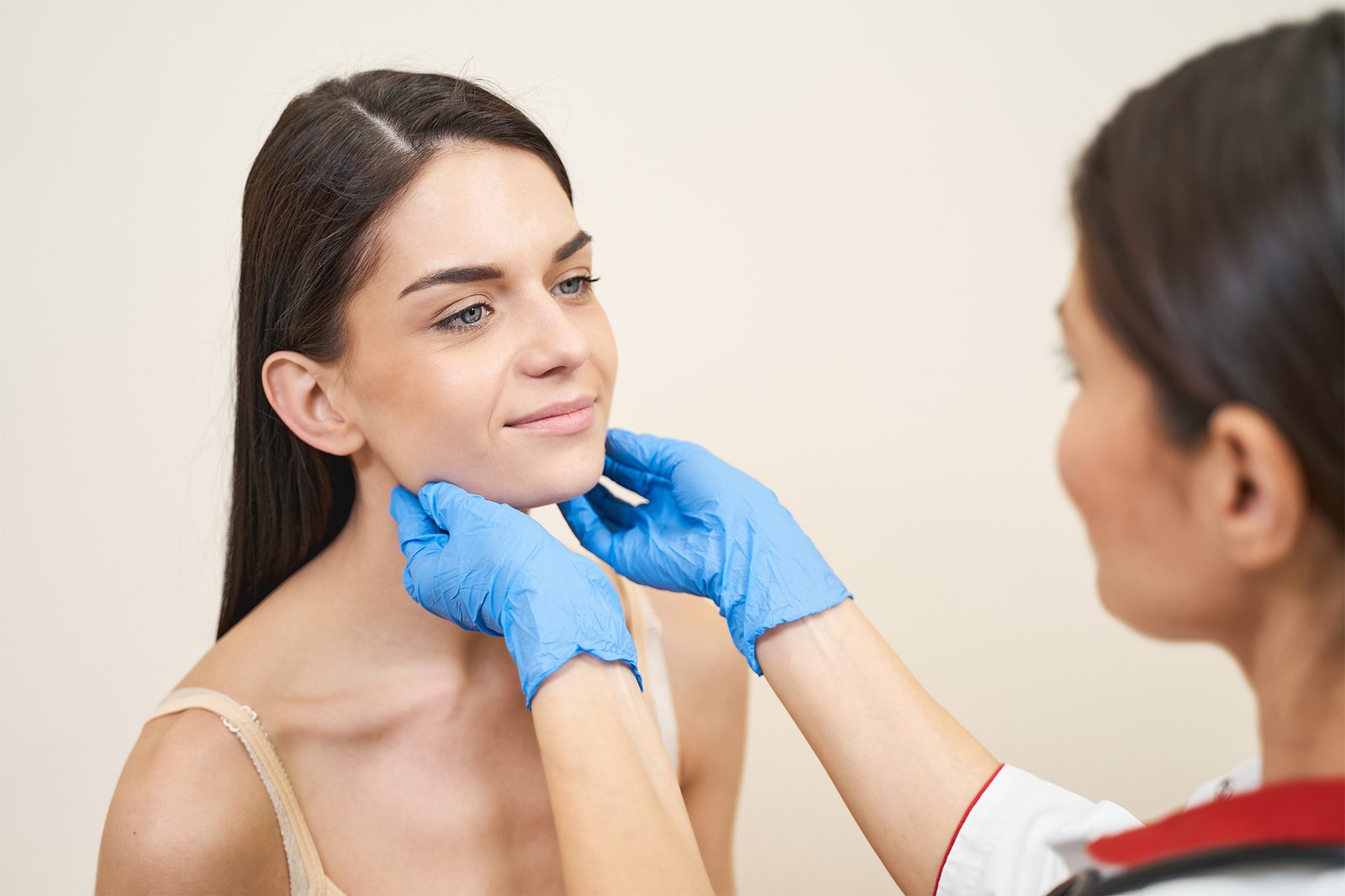
2. Physical Examination Requirements: Beyond simply looking at faces, professional examination involves systematic assessment of anatomical structures, skin quality, and vascular patterns that guide safe treatment planning. Facial muscle strength affects neuromodulator dosing. Skin thickness determines appropriate filler placement. Vascular mapping identifies danger zones. Asymmetry documentation prevents blame for pre-existing conditions. This examination requires proper lighting, clean skin, and systematic approach.
The aging skin studies confirm that thorough physical assessment correlates with superior outcomes and fewer complications.
3. Psychological Readiness Evaluation: Aesthetic treatments affect psychological wellbeing beyond physical appearance, requiring assessment of expectations, motivations, and mental health factors that determine satisfaction. Unrealistic expectations guarantee disappointment regardless of technical success. Body dysmorphic disorder requires mental health referral rather than treatment. External pressure from partners raises consent concerns. Recent life changes may drive impulsive decisions. These psychological factors prove as important as physical assessment for treatment success.
Standardized Clinical Photography
Professional photography using consistent protocols creates objective documentation essential for treatment planning, progress tracking, and legal protection, requiring proper equipment and technique that smartphone snapshots cannot provide.
1. Technical Photography Standards: Clinical photography demands specific technical parameters ensuring images accurately represent conditions without flattering or distorting reality. Consistent lighting eliminates shadows that hide or exaggerate problems. Standardized positioning enables valid comparisons over time. Multiple angles capture all dimensions of three-dimensional structures. High resolution reveals fine details invisible to naked eyes. These technical standards require dedicated equipment and training.
Photography protocol requirements:
- Twin flash or ring light eliminating shadows
- Consistent 1:1 to 1:7 magnification ratios
- Standard positions: frontal, oblique, lateral
- Neutral gray or blue background
- Color calibration ensuring accuracy
- Metadata recording date and conditions
2. Documentation Positions and Angles: Comprehensive documentation requires multiple standardized views capturing all potential treatment areas. Frontal views reveal symmetry and proportions. Oblique angles show contours and shadows. Lateral positions document profiles. Animation captures document dynamic lines. Close-ups detail specific concerns. This systematic approach ensures nothing gets missed while enabling accurate progress assessment.
Standard aesthetic photography series:
- Frontal at rest and animating
- Right and left 45-degree obliques
- Right and left profiles
- Base-up view for neck assessment
- Close-ups of specific treatment areas
3. Image Management and Privacy: Clinical photographs constitute medical records requiring HIPAA-compliant storage and restricted access. Secure servers prevent unauthorized access. Encryption protects transmission. Consent forms specify usage permissions. Retention policies comply with regulations. These requirements distinguish medical documentation from casual photography, protecting both patients and providers.
The injection safety guidelines classify clinical photography as essential documentation for aesthetic procedures.
Treatment Planning Process
Professional consultation develops systematic treatment plans addressing patient concerns through evidence-based approaches rather than pushing maximum products, requiring collaborative discussion balancing desires with realistic outcomes.
1. Facial Analysis Framework: Systematic facial analysis examines proportions, symmetry, and aging patterns guiding treatment prioritization. The facial thirds assessment reveals vertical balance. The facial fifths evaluate horizontal proportions. Animation patterns identify dynamic concerns. Volume distribution maps areas of loss. Skin quality assessment guides modality selection. This structured analysis ensures comprehensive evaluation rather than spot treatment of complained areas.
Analysis components documented during consultation:
- Proportional measurements against ideals
- Asymmetries requiring correction or acceptance
- Volume loss patterns suggesting causes
- Skin quality factors affecting treatment choice
- Dynamic lines versus static wrinkles
- Previous treatment evidence
2. Priority Setting Discussion: Not all aesthetic concerns require immediate treatment, making prioritization essential for budget management and optimal outcomes. Addressing structural issues before surface concerns creates better foundation. Treating causes rather than symptoms provides lasting improvement. Considering facial harmony prevents imbalanced enhancement. Respecting budget limitations maintains trust. This collaborative prioritization ensures satisfaction with achievable goals rather than disappointment from unrealistic expectations.
3. Phased Treatment Planning: Complex aesthetic improvements rarely occur in single sessions, requiring strategic phasing that builds results gradually while managing costs. Initial treatments establish foundation addressing primary concerns. Subsequent sessions refine based on healing and response. Maintenance protocols sustain achieved improvements. This phased approach prevents overcorrection while allowing adjustment based on outcomes rather than committing to aggressive immediate treatment.
Typical phasing strategy:
- Phase 1: Address primary structural concerns
- Phase 2: Refine and balance after healing
- Phase 3: Enhance details and symmetry
- Maintenance: Sustain results long-term
Informed Consent Excellence
True informed consent extends beyond signing forms to ensure patients genuinely understand risks, benefits, alternatives, and expected outcomes, requiring detailed discussion that many providers abbreviate to avoid “frightening” patients.
1. Risk Communication Standards: Every aesthetic procedure carries risks from minor bruising to serious complications like vascular occlusion, requiring honest discussion without minimization or exaggeration. Common side effects need distinction from rare complications. Specific risks for individual anatomy deserve emphasis. Management protocols for complications should be explained. Emergency procedures must be understood. This comprehensive risk discussion enables truly informed decisions rather than blind trust.
Risk categories requiring discussion:
- Expected side effects (bruising, swelling)
- Common complications (asymmetry, lumps)
- Rare but serious risks (vascular occlusion)
- Individual risk factors (bleeding tendency)
- Delayed complications (migration, nodules)
2. Alternative Options Presentation: Informed consent requires discussing alternatives including different treatments, conservative approaches, or no treatment, enabling patients to make comparative decisions. Surgical options might provide permanent solutions. Different products offer varying advantages. Combination approaches could optimize outcomes. Doing nothing remains valid. These alternatives deserve fair presentation without bias toward profitable options.
3. Outcome Expectations Management: Realistic outcome discussion prevents satisfaction problems that perfect technical execution cannot overcome. Typical results differ from best-case scenarios. Multiple treatments might be necessary. Maintenance requirements affect long-term appearance. Individual variation influences outcomes. Limitations of non-surgical approaches need acknowledgment. This honesty builds trust while preventing disappointment from unachievable expectations.
The skin health fundamentals emphasize that informed consent requires understanding not just agreement.
How to Choose: Red Flags vs Excellence Indicators
Consultation Red Flags
Recognizing warning signs during initial consultations protects patients from providers prioritizing profits over safety and outcomes, with certain behaviors indicating fundamental problems that technical skill cannot overcome.
1. Rushed Assessment Warnings: Consultations under 30 minutes cannot adequately assess medical history, examine anatomy, discuss options, and ensure informed consent. Providers watching clocks signal disinterest in individual needs. Interrupting questions suggests impatience with patient concerns. Pushing immediate treatment prevents thoughtful consideration. Pre-filled syringes indicate predetermined plans. These rushing behaviors prioritize volume over quality, risking both safety and satisfaction.
Specific red flags indicating inadequate consultation:
- Consultation lasting under 20 minutes
- No physical examination performed
- Medical history form not reviewed
- Questions dismissed or minimized
- Immediate treatment pressure
- “Everyone gets this” recommendations
2. Documentation Deficiencies: Absence of proper photography, detailed notes, and comprehensive consent forms indicates casual approach to medical procedures requiring meticulous documentation. Phone photos lack standardization for progress tracking. Missing consent forms create legal liability. Absent emergency protocols suggest unpreparedness for complications. These documentation gaps reveal systemic quality problems extending beyond paperwork.
3. Pricing Manipulation Tactics: Deceptive pricing practices during consultation indicate ethical problems that affect entire treatment experience. Hiding total costs prevents informed decisions. Time-pressure discounts manipulate emotions. Package requirements force over-treatment. Surprise fees destroy trust. These financial tactics suggest provider priorities incompatible with patient best interests.
Warning signs of pricing manipulation:
- Reluctance to provide written quotes
- “Today only” special pricing
- Packages requiring immediate payment
- Hidden fees revealed after commitment
- No refund or revision policies
- Pressure to finance beyond comfort
Excellence Indicators
Superior providers demonstrate commitment to patient wellbeing through comprehensive assessment, transparent communication, and ethical practices that prioritize outcomes over immediate revenue.
1. Thorough Assessment Excellence: Extended consultations allowing unhurried evaluation indicate provider commitment to understanding individual needs. Detailed medical review identifies safety considerations. Comprehensive examination reveals anatomical variations. Multiple treatment options get discussed fairly. Questions receive complete answers. Time for consideration gets offered without pressure. These thorough practices correlate with superior outcomes and patient satisfaction.
Excellence markers in consultation:
- 45-60 minute initial appointments
- Detailed anatomical examination
- Review of previous treatments
- Discussion of multiple options
- Written treatment plans provided
- Follow-up consultation offered
2. Documentation Professionalism: Standardized clinical photography, detailed treatment notes, and comprehensive consent processes demonstrate medical-grade practices. Professional photos enable accurate progress assessment. Detailed notes ensure continuity of care. Comprehensive consent protects all parties. Emergency protocols indicate preparedness. These documentation standards distinguish medical professionals from casual practitioners.
3. Transparent Communication: Honest discussion of risks, limitations, and costs enables informed decisions building lasting provider relationships. Realistic outcomes prevent disappointment. Alternative options respect patient autonomy. Clear pricing eliminates surprises. Maintenance requirements get explained upfront. This transparency may reduce immediate sales but creates trust generating long-term success.
The facial anatomy research confirms that consultation quality correlates with treatment satisfaction more than technical factors alone.
Decision Framework
Choosing aesthetic providers requires systematic evaluation beyond convenient location or attractive pricing, with consultation quality predicting treatment experience better than marketing claims.
1. Pre-Consultation Research: Investigating providers before consultation reveals important selection factors. Credentials indicate training level. Reviews suggest patient experiences. Before-after galleries demonstrate aesthetic style. Pricing transparency shows ethical practices. This research enables informed selection rather than random choice based on advertising.
Research priorities before booking:
- Medical credentials and specialized training
- Years of aesthetic experience
- Specific procedure expertise
- Complication management capability
- Patient reviews mentioning consultations
- Photo consistency and quality
2. Consultation Evaluation Criteria: During consultation, specific observations indicate provider quality beyond surface impressions. Listening skills demonstrate patient focus. Anatomical knowledge suggests competence. Honest risk discussion indicates ethics. Pressure absence respects autonomy. These factors predict treatment experience better than office aesthetics or personality.
3. Post-Consultation Assessment: After consultation, reflection before committing reveals decision clarity. Comfort with recommendations suggests good match. Understanding of risks indicates informed consent. Confidence in provider demonstrates trust. Absence of pressure allows free choice. These feelings guide selection better than immediate emotional response to sales tactics.
Questions for post-consultation reflection:
- Do I understand exactly what’s recommended and why?
- Were my questions answered completely?
- Do I feel pressured to proceed immediately?
- Am I comfortable with discussed risks?
- Is the total cost clear and manageable?
- Do I trust this provider with my face?
Marlee Patricia Aesthetics’ First-Visit Excellence
Comprehensive Consultation Protocol
Marlee Patricia Aesthetics allocates full hour for initial consultations, ensuring thorough assessment, education, and planning without rush or pressure that compromises patient care or satisfaction.
The consultation begins before patients enter treatment rooms, with comprehensive intake paperwork exploring medical history, medications, previous treatments, and aesthetic goals. Marlee personally reviews forms before meeting patients, identifying potential contraindications or special considerations requiring discussion. This preparation ensures consultation time focuses on examination and education rather than basic information gathering.
The systematic assessment process evaluates both medical safety and aesthetic needs:
- Detailed review of medical conditions affecting treatment
- Complete medication list including supplements
- Previous aesthetic treatment documentation
- Anatomical examination identifying variations
- Skin quality assessment guiding modality selection
- Discussion of goals and expectations
Marlee’s nursing background brings medical rigor to aesthetic consultation. Recognition of cardiovascular risks guides bruising prevention. Understanding of healing physiology informs recovery planning. Medication knowledge identifies interactions. This clinical expertise ensures safety while optimizing outcomes through evidence-based planning rather than standard protocols.
The educational component empowers informed decisions. Marlee explains how different treatments work, why specific recommendations suit individual needs, and what realistic outcomes look like. Visual aids including anatomical models and before-after photos illustrate concepts. Written materials reinforce verbal discussion. This education investment ensures patients understand treatments rather than blindly trusting recommendations.
Professional Photography Standards
Every patient receives standardized clinical photography using professional equipment and consistent protocols, creating objective documentation that tracks progress while protecting both patient and provider interests.
The photography setup ensures reproducibility across sessions:
- Medical-grade camera with ring flash
- Consistent positioning marks on floor
- Standardized stool height for seated photos
- Neutral background eliminating distractions
- Color calibration ensuring accuracy
- Multiple angles capturing all dimensions
Marlee personally performs photography ensuring consistency and privacy. The systematic approach captures frontal, oblique, and profile views both at rest and animating. Close-ups detail specific treatment areas. The comprehensive documentation enables accurate progress assessment that memory or casual photos cannot provide.
Image management follows medical record standards:
- Secure encrypted storage protecting privacy
- Limited access maintaining confidentiality
- Consent forms specifying usage permissions
- Regular backups preventing loss
- HIPAA compliance throughout
This professional photography distinguishes medical aesthetic treatment from casual cosmetic services. Patients appreciate seeing objective progress rather than relying on subjective perception. The documentation provides legal protection for all parties while enabling treatment refinement based on visible outcomes.
Transparent Planning and Pricing
Marlee Patricia Aesthetics provides clear, comprehensive treatment plans with transparent pricing, eliminating surprises while enabling informed financial decisions about aesthetic investments.
Treatment planning follows logical progression addressing concerns systematically:
- Primary issues requiring immediate attention
- Secondary concerns for future consideration
- Maintenance requirements sustaining results
- Alternative options respecting preferences
- Realistic timelines for visible improvement
Written treatment plans detail everything discussed during consultation. Recommended treatments with specific products and amounts appear clearly. Associated costs include all fees without hidden charges. Expected outcomes reflect realistic results rather than best-case scenarios. Maintenance requirements show long-term investment. This transparency enables thoughtful decision-making without pressure or manipulation.
Pricing transparency extends beyond initial treatment:
- Per-unit or per-syringe pricing clearly stated
- Package options offering value without pressure
- Maintenance costs preventing budget surprise
- Touch-up policies addressing asymmetry
- Cancellation terms respecting circumstances
The absence of high-pressure sales tactics distinguishes Marlee’s approach. Patients receive time to consider recommendations without “expires today” manipulation. Questions get answered completely without impatience. Alternative providers might be suggested for specific needs. This ethical approach prioritizes patient wellbeing over immediate revenue.
Safety and Follow-Up Excellence
Safety protocols and follow-up care at Marlee Patricia Aesthetics exceed industry standards, ensuring patient wellbeing extends beyond treatment room through comprehensive support and emergency preparedness.
Safety measures integrated throughout consultation:
- Allergy screening for all product components
- Vascular mapping identifying danger zones
- Emergency protocol review ensuring understanding
- Hyaluronidase availability for filler complications
- Hospital transfer plan if needed
- 24-hour contact for concerns
The injection safety guidelines inform every safety protocol, exceeding minimum requirements for patient protection.
Follow-up care begins during consultation with clear expectation setting:
- Normal healing timeline preventing unnecessary concern
- Warning signs requiring immediate contact
- Post-treatment care optimizing results
- Follow-up appointment scheduling
- Direct access for questions
- Long-term maintenance planning
This comprehensive approach ensures patients feel supported throughout their aesthetic journey rather than abandoned after payment. The investment in relationship building generates referrals from satisfied patients who appreciate thorough, ethical care over quick transactions.
Frequently Asked Questions
1. How long should a first aesthetic consultation actually take?
Professional aesthetic consultations require minimum 45-60 minutes for adequate medical assessment, physical examination, photography, treatment discussion, and informed consent, with complex cases or multiple concerns potentially requiring 90 minutes. Consultations under 30 minutes cannot properly evaluate medical history, examine anatomy, discuss options, set realistic expectations, and ensure true informed consent, regardless of provider claims about “efficiency.” The skin health fundamentals confirm that thorough consultation correlates with fewer complications and higher satisfaction, making time investment worthwhile for both safety and outcomes.
2. Should I have to pay for a consultation if I don't get treatment?
Quality providers typically charge consultation fees ($100-$250) reflecting time, expertise, and detailed assessment provided, with fees often applied toward treatment if proceeding within specified timeframe. Free consultations frequently indicate sales-focused approaches prioritizing treatment volume over thorough assessment, potentially compromising safety and outcomes. Paid consultations ensure providers dedicate adequate time without pressure to convert every patient, enabling honest recommendations including suggesting no treatment when appropriate. Professional medical consultations in other specialties require payment regardless of treatment decisions, and aesthetic medicine deserves similar respect for expertise.
3. What photos should be taken during my first visit?
Comprehensive clinical photography should include frontal, right oblique, left oblique, right profile, and left profile views at minimum, with additional close-ups of specific treatment areas and animation photos showing dynamic lines. Each position should be captured both at rest and during expression (smiling, frowning, raising eyebrows) revealing dynamic patterns. Proper medical photography uses consistent lighting, positioning, and backgrounds enabling valid comparison over time. Phone photos with varying angles, lighting, and automatic filters cannot provide accurate documentation needed for treatment planning and progress assessment.
4. Can I get treatment on the same day as my consultation?
Same-day treatment remains possible if adequate time exists for proper consultation, informed consent, and thoughtful decision-making, though pressure for immediate treatment raises red flags about provider priorities. Some patients research extensively arriving ready for specific treatments, making same-day service appropriate. However, complex treatments or significant investments benefit from consideration time preventing impulse decisions. The injection safety guidelines require proper informed consent regardless of timing, which rushed same-day pressure may compromise.
5. What medical information do I need to share during consultation?
Complete medical disclosure including all conditions, medications, supplements, allergies, previous treatments, and reactions ensures safe treatment planning, with seemingly unrelated information potentially affecting aesthetic procedures significantly. Blood thinners including aspirin affect bruising. Autoimmune conditions influence healing. Psychiatric medications interact with certain products. Previous reactions predict future risks. Pregnancy plans contraindicate treatments. Withholding medical information endangers safety while potentially voiding informed consent, making complete honesty essential regardless of embarrassment or perceived irrelevance to aesthetic treatments.